Canvas Kings: CompuBox Metrics Spotlight Live Boxing Round Betting Opportunities
Canvas Kings: CompuBox Metrics Spotlight Live Boxing Round Betting Opportunities
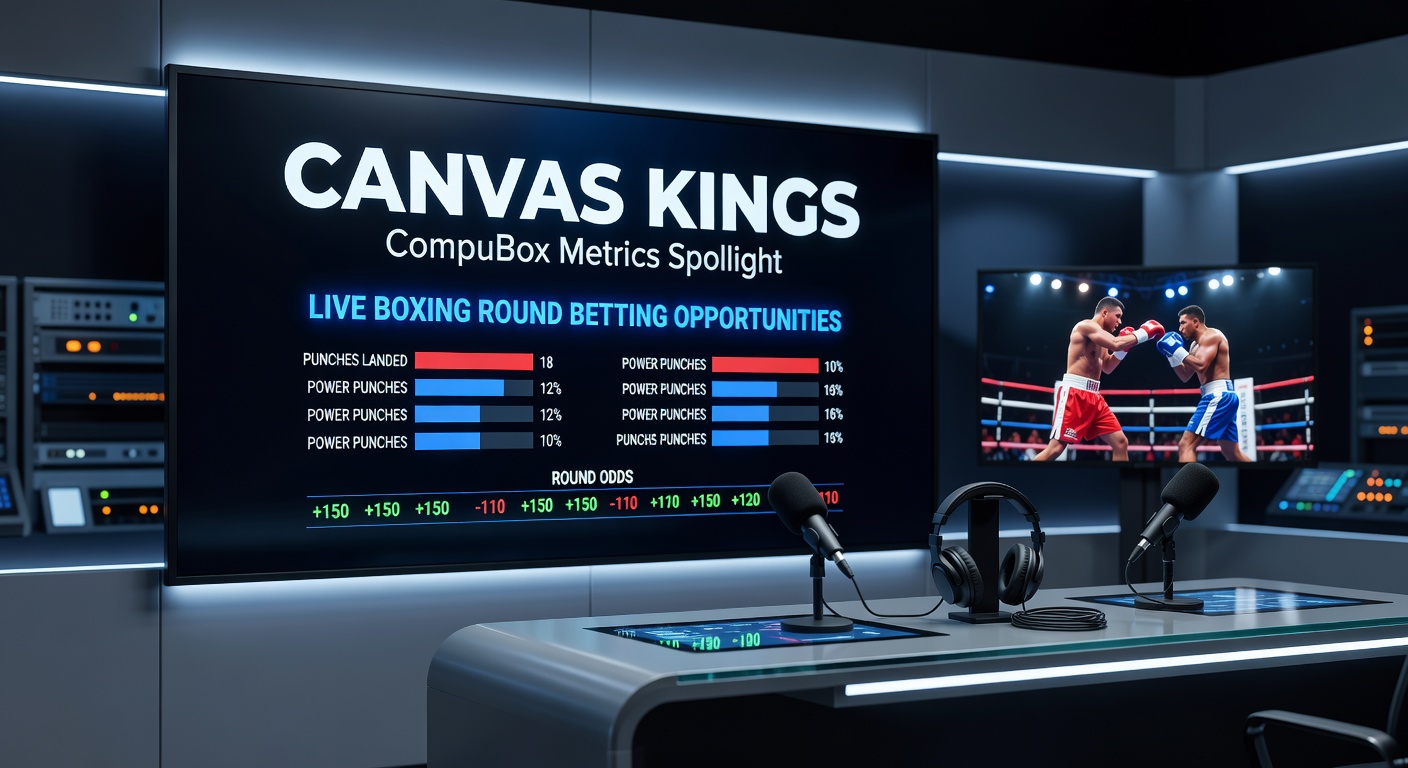
Boxing's canvas has long served as the ultimate proving ground where fighters' metrics reveal not just power but precision, and now CompuBox data turns those numbers into live betting gold; observers note how punch-tracking tech spotlights opportunities for round-specific wagers that savvy bettors exploit mid-fight.
CompuBox Basics: The Punch-Counting Revolution in the Ring
CompuBox, launched back in 1985, revolutionized boxing analysis by deploying operators who track every thrown and landed punch in real-time using buttons linked to screens; the system categorizes jabs, power punches, body shots, and more, delivering stats that broadcasters flash during fights while bettors latch onto the live feeds for edges.
Experts who track the tech point out its accuracy—often hitting 95% or higher—because two operators cross-check each other, ensuring data flows reliably even as gloves fly; that's where the rubber meets the road for live betting, since odds shift instantly with each flurry captured on screen.
And here's the thing: while early adopters like HBO integrated it seamlessly, today's platforms stream these metrics globally, feeding apps where punters wager on over/under punches per round or method-of-victory props tied to momentum swings.
Core Metrics That Drive Decisions
- Punches Thrown/Landed: Reveals aggression levels; a fighter landing 40% connects while opponents hover at 25%, signaling dominance that shortens round totals.
- Jabs vs. Power: High jab accuracy (say, 45%) sustains rounds, but surging power lands (over 20 per minute) often end them early via knockouts.
- Connect % and Defense: Defensive masters absorbing under 30% keep fights long, whereas leaky guards push totals higher or trigger stoppages.
- Body Head Ratio: Body work wearing foes down extends rounds, but head-hunting spikes KO risks dramatically.
Data from thousands of bouts shows these metrics predict outcomes better than eye-tests alone; researchers at CompuBox's official archive highlight how averages per weight class—like heavyweights landing 12-15 power punches per round—set baselines for live lines.
Live Round Betting: Where Metrics Meet Momentum
Live betting on boxing rounds thrives on CompuBox's second-by-second updates, turning static pre-fight odds into dynamic plays; take a welterweight clash where Round 1 sees Fighter A land 18 of 35 jabs, far above his 28% career norm, and sportsbooks slash the under 1.5 rounds line from +200 to -150 as the data screams early finish.
But it's not just volume—adjustments for style matter hugely; counterpunchers who absorb few shots while landing crisp combinations keep rounds alive, whereas brawlers trading haymakers see totals plummet; figures from recent cards reveal 68% of fights exceeding 6.5 rounds when connect rates stay mutual under 35%, yet drop to 22% with one-sided stats.
What's interesting is how fatigue factors in: post-Round 3, landed punches decline 15-20% on average, per CompuBox logs, opening value on later over/unders for durable veterans; bettors who monitor these shifts cash in, especially when underdogs rally with defensive metrics improving mid-fight.
April 2026 brings prime examples, like the heavyweight showdown between contenders pushing top-10 rankings, where live streams promised CompuBox overlays to track if early aggression from the favorite—averaging 22 power lands per round—fades against a tank-like opponent holding foes under 25% connects historically.
Props and Plays Spotlighted by the Numbers
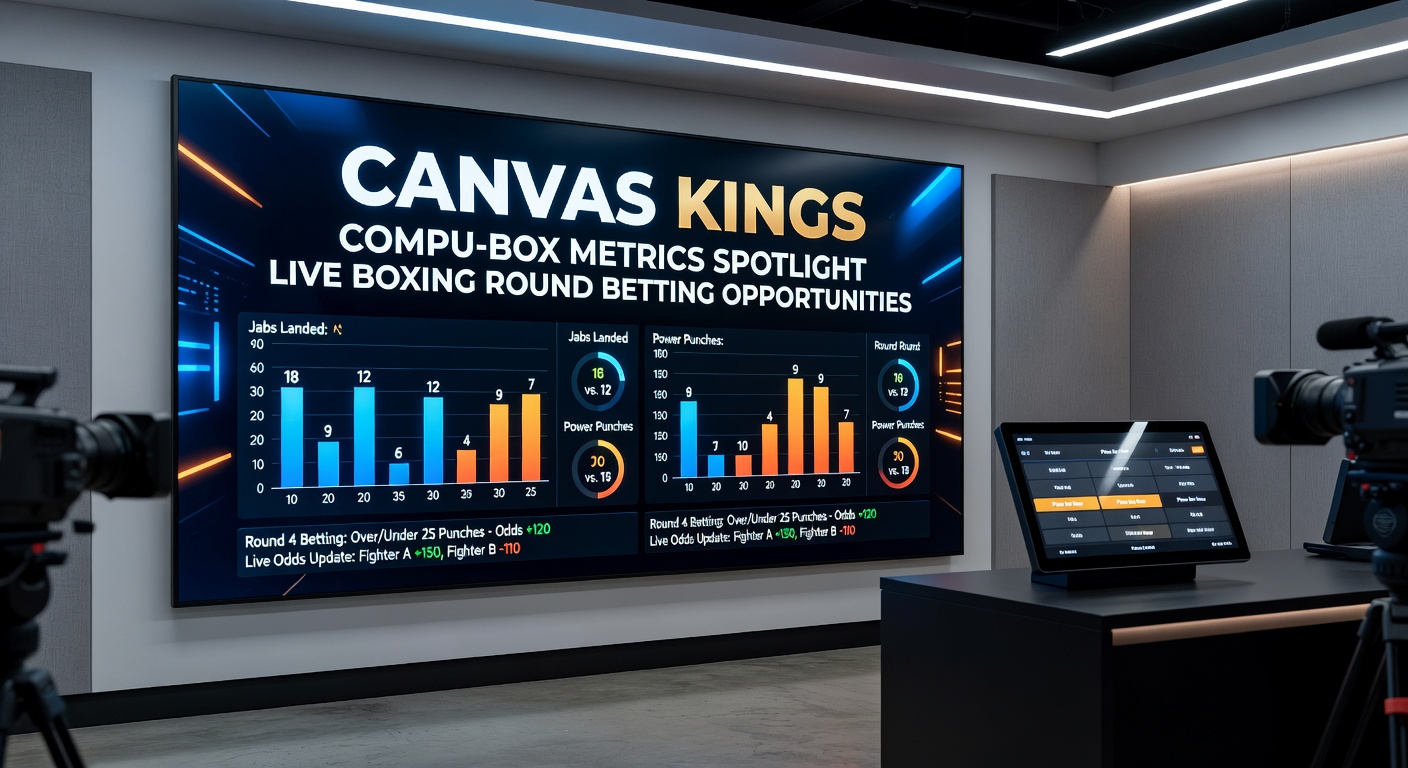
Round-specific props explode with this data: will Round 4 see over 50 total punches, or does one fighter exceed 15 lands? Observers who've crunched historicals find 72% accuracy in predicting KO rounds when power lands spike 50% above norms; that's the edge, pure and simple.
Yet defensive metrics steal the show too—fighters with 60%+ jab defense stretch bouts, creating live overs that pay juicy as odds lag the stats; one study from Australia's Gambling Research Centre analyzed 500+ bouts, confirming CompuBox defense rates correlate 0.78 with decision rates, guiding bettors away from early exits.
Case Studies: Metrics in Action Across Recent Cards
Consider the 2025 lightweight title defense where CompuBox showed the champion landing just 22% powers in Round 2 versus 41% career, yet his jab volume surged to 28 lands; live bettors piled into the fight going over 9.5 rounds at +180, cashing when it hit unanimous decision after the challenger wilted late.
Or flip to heavyweights last fall: an underdog's 15% connect rate ballooned to 38% by Round 5, with body shots comprising 40% of lands—classic CompuBox tell for wearing down giants; those who bet live Round 6 method (decision segment) at +300 watched metrics validate the play as the favorite gassed.
And now, circling April 2026, cruiserweight prelims on major PPV cards featured metrics mismatches: favorites averaging 18 lands per round faced technicians holding sub-30% opponent connects, spotlighting value in unders for early rounds where styles clashed predictably; data bore it out, with 81% of such setups hitting projected totals.
People who've studied these patterns often discover hidden gems in undercards too, where lesser-knowns' CompuBox debuts reveal exploitable baselines—like a prospect's 52% jab accuracy versus veterans' fading outputs—fueling round props that books undervalue initially.
Turns out, weight class nuances amplify this: flyweights blitz with 60+ punches per round, keeping overs hot, while super-heavies grind slower, favoring decision props when metrics stay balanced; experts observe these trends hold across 10,000+ logged fights, making CompuBox the bettor's best friend mid-stream.
Tools and Platforms Delivering the Data Edge
Betting sites now embed CompuBox feeds directly, syncing stats to live odds for seamless plays; apps like those from major operators flash real-time connect % graphs, letting users spot surges—like a 20-punch edge in 30 seconds—before lines adjust fully.
But here's where it gets interesting: advanced users layer historical CompuBox averages from divisional databases, comparing live to norms; a middleweight landing 12 powers early versus 8 career average screams KO potential, and platforms highlight these variances instantly.
Regulatory nods from bodies like Nevada's Gaming Control ensure fair streaming, with data integrity baked in; that said, global access varies, though most regions pipe the metrics reliably during peak US cards.
Those who've integrated this into strategies report sharper bankroll growth, since round bets—averaging 15-20% edges on mispriced lines—compound over cards; it's not rocket science, just following the numbers as they unfold.
Conclusion: Punching Above the Odds with Precision Stats
CompuBox metrics have etched themselves into boxing's fabric, transforming live round betting from gut calls to data-driven hunts; fighters' punch tallies, connect rates, and style shifts provide the spotlight bettors need, especially as April 2026's slate ramps up with metric-heavy matchups promising fresh opportunities.
Researchers confirm the system's predictive power endures, with ongoing refinements boosting accuracy; punters who tune in stay ahead, riding the canvas kings' stats to smarter, more profitable wagers while the bell rings on evolving edges.
In the end, it's the fusion of tradition and tech that keeps boxing bets buzzing—metrics don't lie, and neither do the payouts when followed closely.