Digital Verification Innovations Reshape Promotional Access on Smartphones
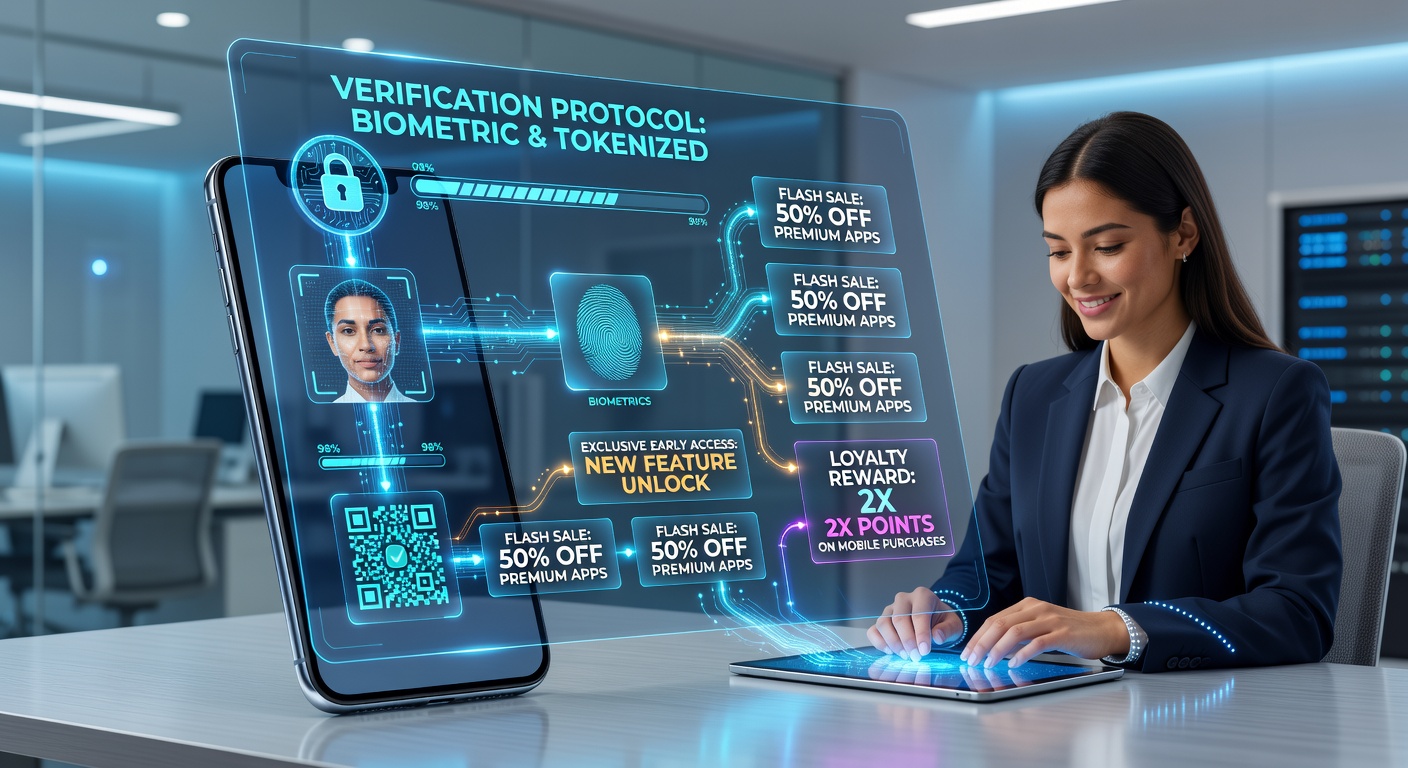
Technological adaptations in verification systems continue to alter how users gain entry to promotional offers across mobile platforms, with systems incorporating biometrics, artificial intelligence, and encrypted data protocols to confirm identities before unlocking discounts, rewards, and targeted campaigns. These changes stem from regulatory pressures and industry demands for faster yet more secure processes, particularly as mobile commerce expands into regions with varying data protection rules.
Core Components Driving Verification Updates
Biometric tools such as facial recognition and fingerprint scanning now integrate directly into app flows, allowing platforms to match live captures against stored records in seconds rather than minutes. Data from the National Institute of Standards and Technology shows accuracy rates exceeding 99 percent in controlled tests for facial algorithms deployed in consumer applications. At the same time, artificial intelligence models analyze behavioral patterns like typing speed and device tilt to flag anomalies without interrupting legitimate users who seek promotional codes.
Encrypted token systems replace traditional password entries in many cases, with one-time credentials generated through device hardware that expire after use. Observers note this approach reduces phishing risks while maintaining compliance with standards set by bodies like the European Data Protection Board. Companies deploy these tokens alongside location-based checks that verify a user's region before releasing region-specific offers, such as flash sales available only in certain countries.
Impact on User Access Patterns
Users encounter fewer manual form submissions when seeking promotions, yet they face layered checks that activate based on offer value or account history. Research from the University of Cambridge indicates that streamlined verification cuts drop-off rates during checkout by up to 30 percent in tested retail apps, though initial setup requires users to grant camera and sensor permissions. Platforms report higher redemption volumes for loyalty rewards once verification completes in under 10 seconds, compared with older methods that demanded email confirmations or SMS codes.
Multiple industries adopt these adaptations simultaneously. Retailers tie verification to in-app coupons that adjust dynamically based on purchase frequency, while service providers use similar gates for subscription trials. Those who've examined transaction logs find that verified accounts receive personalized offers more frequently because systems trust the data tied to confirmed identities. And regulatory timelines add another layer: implementations scheduled for May 2026 in several jurisdictions will mandate real-time audit trails for all promotional verifications exceeding a certain threshold.
Regional Variations in Adoption
North American platforms emphasize integration with existing digital wallet services, linking verification to payment methods already stored on devices. European operators focus on cross-border compatibility under updated digital identity frameworks, ensuring a single verification event unlocks offers across member states. Australian regulators have piloted similar systems through partnerships with telecommunications firms, where mobile carrier data assists in confirming user details without exposing full personal records.
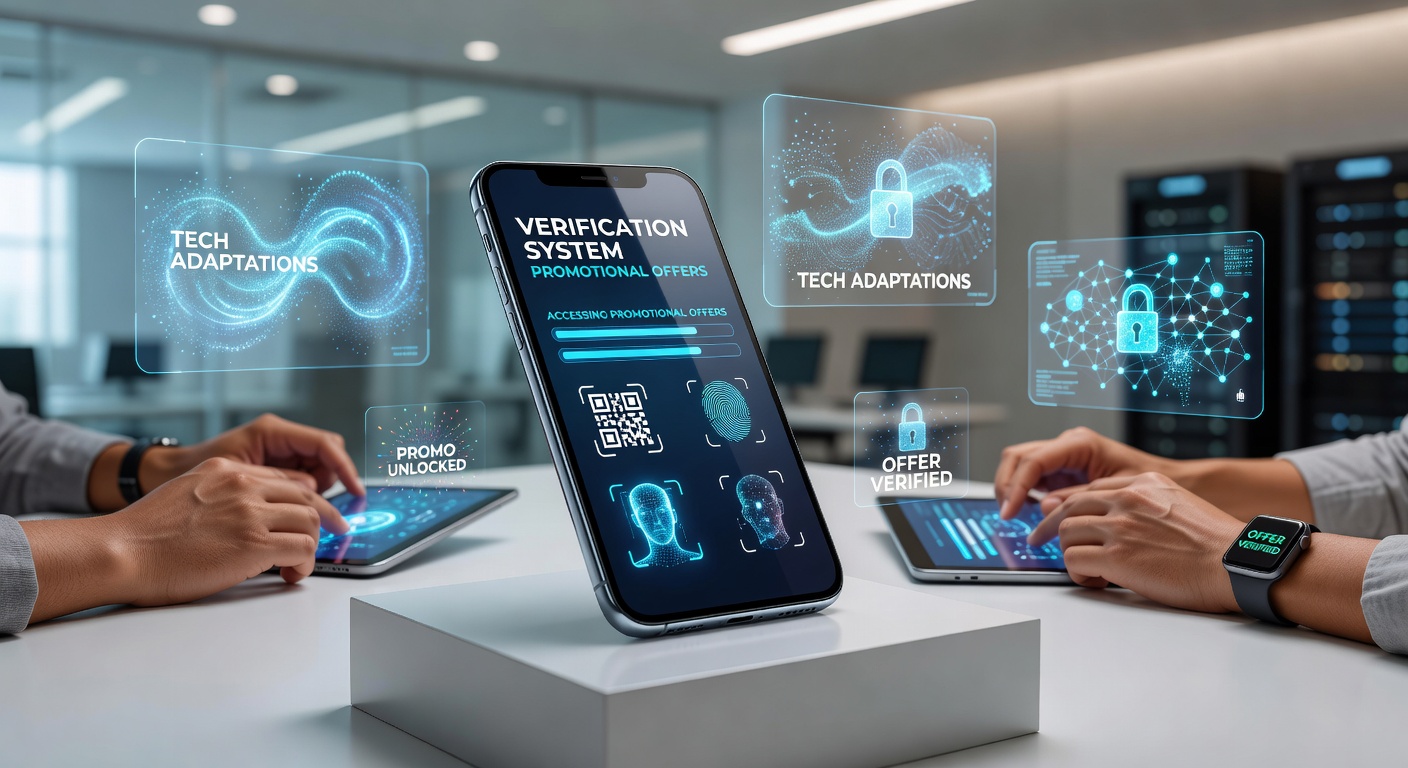
Industry associations such as the GSMA track these deployments through annual reports that highlight reduced fraud incidents following biometric rollout. Figures reveal a 25 percent decline in account takeover attempts on platforms that combined AI monitoring with hardware tokens, according to aggregated data shared at recent trade conferences. Yet challenges persist in areas with limited internet connectivity, where fallback methods still rely on slower manual reviews.
Security Enhancements and Data Handling
Zero-knowledge proof techniques allow verification without storing raw biometric images on central servers, a method gaining traction in pilot programs across Asia-Pacific markets. This keeps sensitive information on the user's device while still confirming eligibility for offers. Reports from the International Association for Privacy Professionals detail how such protocols align with emerging global standards for minimal data retention.
Developers also incorporate continuous monitoring that re-verifies sessions at random intervals during extended app use, particularly when high-value promotions appear. The approach balances security with convenience by avoiding constant interruptions for low-risk activities. Those monitoring adoption rates note stronger user retention on platforms that communicate these steps transparently through in-app notifications.
Future Trajectories Through 2026
Upcoming standards expected in May 2026 will likely require platforms to maintain verifiable logs of every promotional access event, pushing further investment in automated compliance tools. Academic studies from institutions like MIT explore quantum-resistant encryption as a next step to protect verification data against evolving computational threats. Industry observers track partnerships between tech firms and device manufacturers that embed verification hardware at the chipset level, potentially eliminating software-based vulnerabilities.
These adaptations collectively shift promotional ecosystems toward greater precision, where access depends less on user effort and more on seamless technological confirmation. Platforms that align early with the shifting requirements stand to capture larger shares of mobile engagement as verification becomes an invisible yet essential layer.
Conclusion
Verification systems on mobile platforms continue evolving through layered technologies that prioritize both speed and protection, reshaping how promotional offers reach verified users. Data from multiple regulatory and research sources underscores measurable gains in efficiency alongside ongoing adjustments to meet new compliance dates such as those in May 2026. The result is an environment where access mechanisms adapt in real time to user behavior, device capabilities, and jurisdictional demands without relying on outdated manual processes.