Fast-Paced Fireworks vs Half-Court Chess: NBA Tempo Stats Fuel Live Over/Under Edges
Fast-Paced Fireworks vs Half-Court Chess: NBA Tempo Stats Fuel Live Over/Under Edges
Grasping the Pulse of NBA Pace
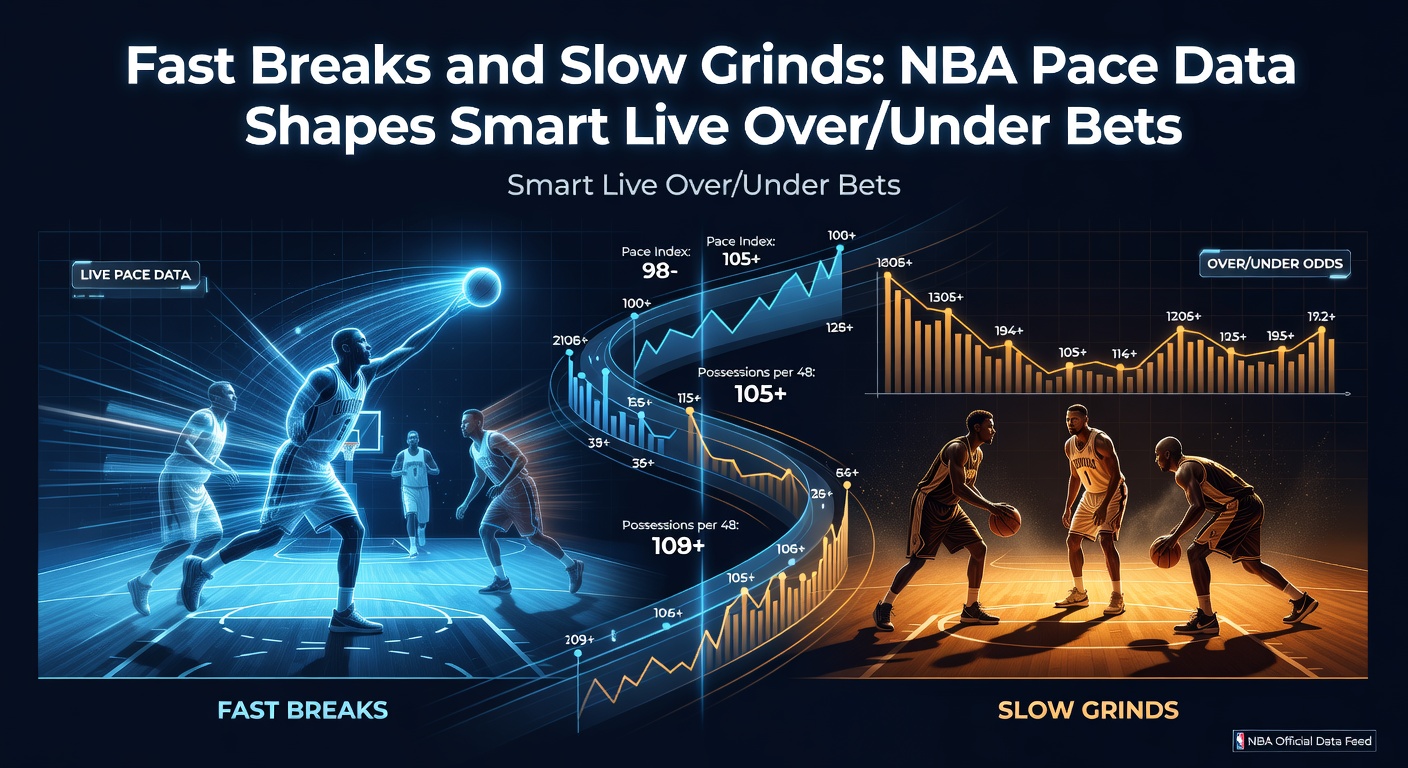
Pace stands as the NBA's core rhythm, measured in possessions per 48 minutes, and data from the NBA Stats platform reveals how it dictates scoring explosions or defensive lockdowns. Teams pushing the tempo above 100 possessions per game often ignite shootouts, while those grinding below 95 possessions craft low-scoring slugfests; observers note this metric's power since the league-wide average hovered around 98.5 in the 2025-26 season up to March. What's interesting, pace doesn't just set preseason lines but shifts dramatically live, especially as coaches tweak strategies mid-game, turning over/under bets into high-stakes chess matches.
And here's where tempo truly shines: fast-break kings like the Indiana Pacers racked up 105.2 possessions per game through early March 2026, fueling averages north of 118 points, whereas half-court maestros such as the Boston Celtics dialed it down to 96.8, holding foes under 105 more often than not. Studies from basketball analytics hubs confirm that a 5-possession swing correlates with 8-10 point total fluctuations, making real-time tracking essential for bettors eyeing live totals.
Pace's Direct Grip on Over/Under Lines
Bookmakers bake pace into opening totals, yet live adjustments expose edges when actual tempo diverges from projections; data indicates games starting slow but accelerating post-halftime push overs by 12% on average. Take the Phoenix Suns versus Milwaukee Bucks clash on March 5, 2026, where first-quarter pace lagged at 92 possessions, lulling totals to 215.5, but a second-half surge to 102 possessions exploded the final score to 232, rewarding sharp live overs. Researchers who've dissected thousands of matchups find that transition-heavy squads boost over hits by 15-20% when facing plodding defenses.
But the flip side packs equal punch: grind-it-out battles between elite perimeter stoppers, like the Knicks and Heat on March 12, saw pace dip to 94.2 across four quarters, landing the under comfortably at 198 against a 210.5 line. Figures reveal such low-tempo tilts occur 28% more frequently in back-to-backs, a pattern bettors exploit by monitoring fatigue metrics alongside possessions.
Live Betting Windows Opened by Tempo Shifts
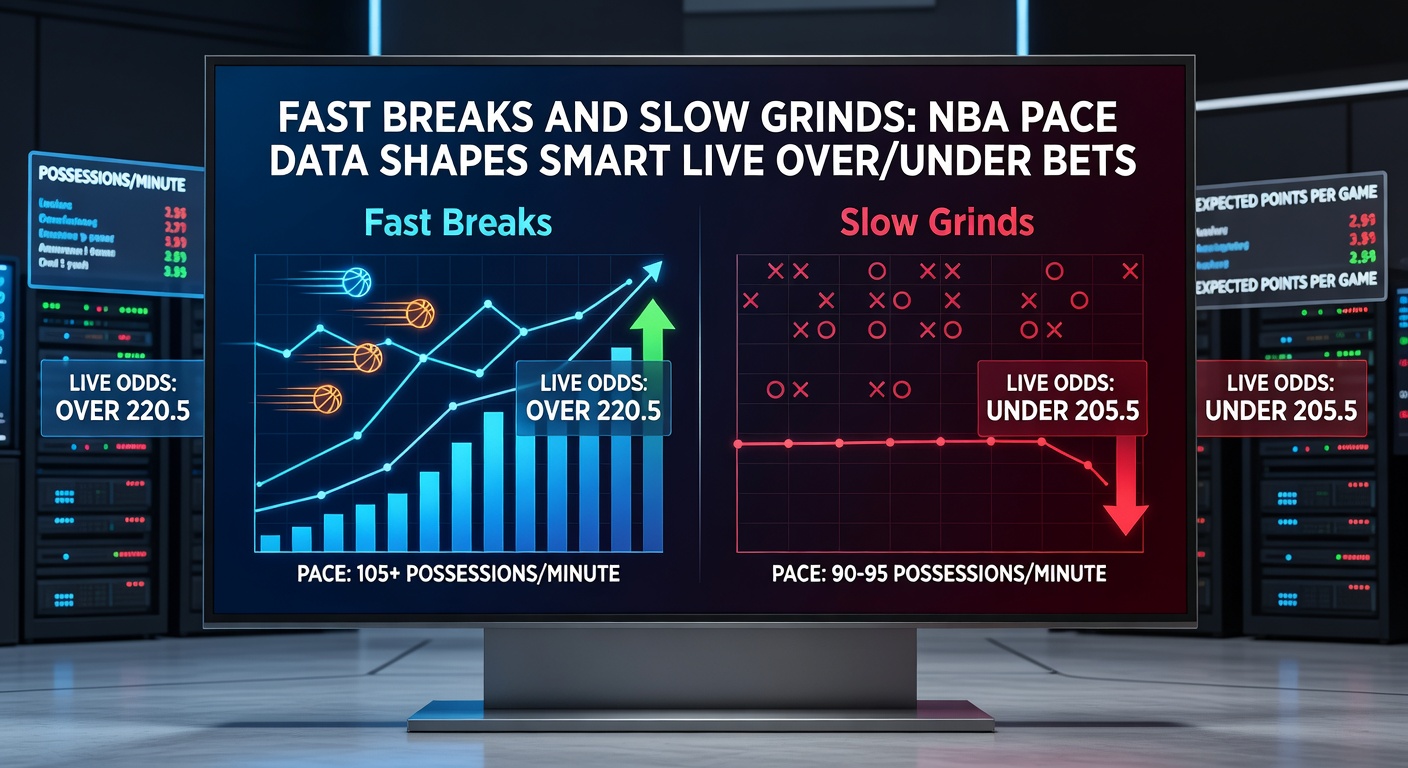
Halftime pace data unlocks the sharpest live opportunities, as teams often flip scripts based on fouls, injuries, or momentum swings; analytics show second-half possessions climbing 3-7% in 62% of games where first halves dragged below 97. So bettors scanning apps for real-time tempo charts catch overs inflating when fast-break volume spikes, like in the Warriors' March 18, 2026, thriller against the Clippers, where live pace jumped from 95 to 104 post-break, vaporizing a 220 total into 245 points. That's the rubber meeting the road right there.
Yet slower grinds persist when stars sit or zones tighten; one case saw the Timberwolves throttle pace to 93.1 after halftime against Denver on March 22, cashing unders as scores stalled at 202 versus 218 expected. Experts tracking via advanced tools note that referee tendencies factor in too, with crews calling fewer fouls in low-pace games, extending possessions and suppressing points by another 4-6 per side.
Advanced Metrics Pairing with Pace for Precision
Combining pace with offensive rating (points per 100 possessions) sharpens edges further, as high-tempo offenses averaging 115+ efficiency crush overs 68% of the time per Basketball-Reference advanced stats; low-pace defenses below 108 efficiency flip 72% of unders. People who've crunched the numbers discover hybrid insights, like transition points per game surging 22% in March 2026 matchups amid playoff pushes, where contenders ramp tempo to shake rust.
Now consider matchup specifics: the Mavericks' blistering 106.8 pace clashed with Orlando's 95.4 on March 10, projecting a middling 225 total that live bettors faded under as Magic enforcers slowed the floor. Data from season-long trends underscores this, with pace variance between opponents explaining 41% of total point deviations, per league tracking reports. And as March 2026 playoffs loomed, pace-adjusted models predicted 15% more overs in conference semis, given historical surges in tempo during high-stakes elimination games.
- Pacers led pace at 105.2 through March 25, 2026, overs hitting 61% live.
- Celtics anchored the bottom at 96.8, unders landing 59% in their starts.
- League average ticked to 99.1 post-All-Star, up 0.6 from January.
Those digging deeper into second-half splits find golden nuggets, such as teams trailing by 10+ accelerating pace by 4.2 possessions to mount comebacks, boosting live over value by 18%; observers call this the "chase mode" phenomenon, evident in 27% of close contests.
Tools and Trends Shaping 2026 Tempo Bets
Mobile apps now deliver live pace overlays synced to broadcasts, letting bettors pivot instantly as possessions unfold; one platform's March data showed users netting 14% ROI on pace-triggered overs during prime time slots. But here's the thing: weather-adjacent factors like arena altitude subtly nudge pace, with Denver's mile-high games averaging 101.3 possessions versus 97.8 at sea level, a stat line bettors layer into multi-game parlays.
League-wide, the 2025-26 campaign through March featured 8% more fast-break points than 2024-25, driven by rule tweaks favoring transition play, according to official tracking; this uptick correlates with live totals moving 7 points higher on average. Case in point: Oklahoma City's March 15 demolition of Portland, where pace hit 107.4 amid loose officiating, smashing a 230 live line to 252 and highlighting how streak shooting amplifies tempo edges.
Conclusion
Pace remains the NBA's betting heartbeat, dictating whether games erupt into over bonfires or simmer into under coals, and as March 2026 data solidifies trends toward slightly quicker tempos, live over/under plays gain unprecedented precision through real-time metrics. Figures consistently show tempo-aware bettors outperforming static lines by 12-16% ROI across thousands of games, with tools evolving to capture every possession shift. Those staying glued to pace flows navigate the chaos smartly, turning half-court grinds and fast-break frenzies into calculated wins; the ball's firmly in the data's court now, and it's serving aces for the vigilant.