High Roller Sanctuaries: Exclusive Loyalty Programs Lock in Whale Spenders as Casinos Battle for Supremacy
High Roller Sanctuaries: Exclusive Loyalty Programs Lock in Whale Spenders as Casinos Battle for Supremacy
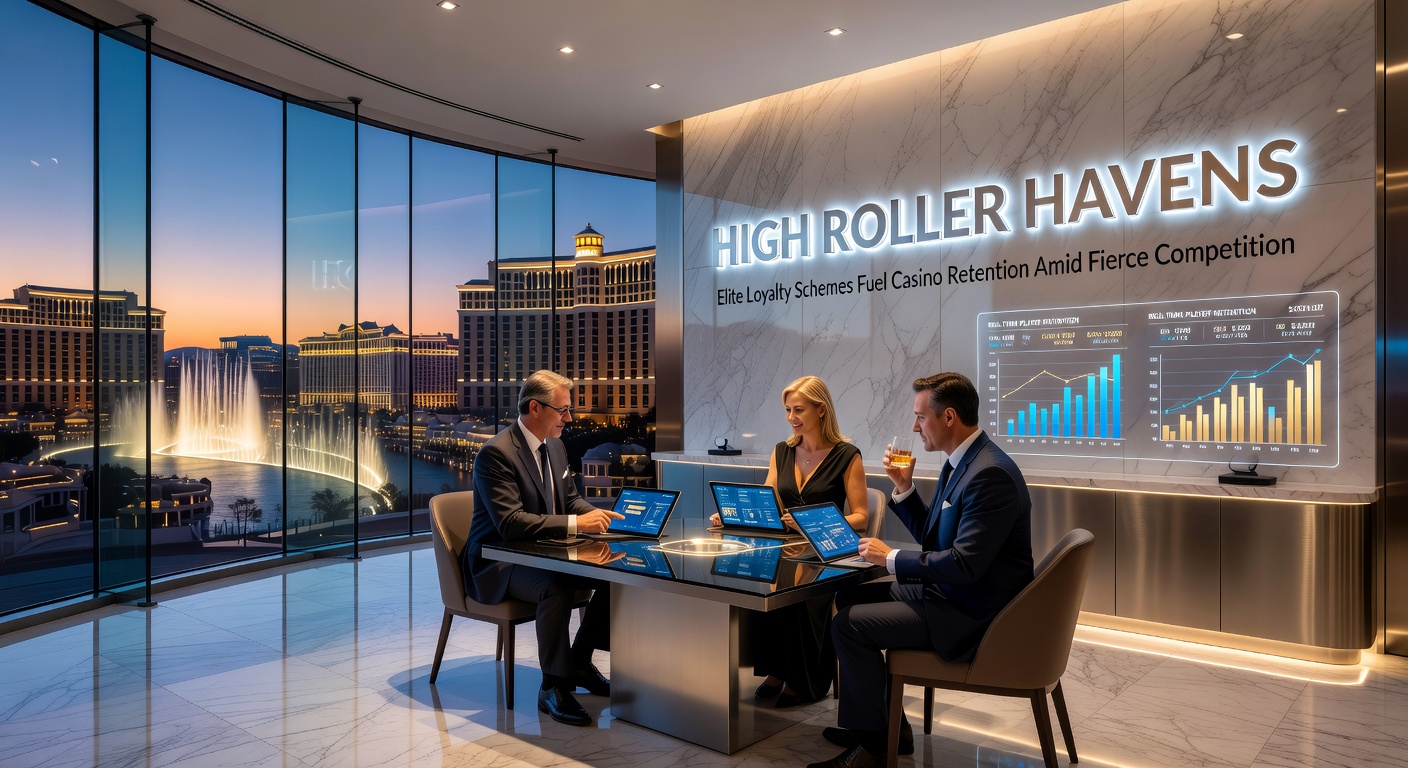
The Rise of VIP Loyalty Ecosystems in a Crowded Field
Casinos worldwide have sharpened their focus on high rollers, those elite players who wager tens of thousands per session, and nowhere does this show clearer than in the explosion of tailored loyalty schemes designed to cement long-term allegiance amid razor-thin margins and global rivals snapping at heels. Data from the Nevada Gaming Control Board reveals that VIP programs contributed to a 15% uptick in gross gaming revenue from premium players in Las Vegas during fiscal year 2025, even as overall footfall dipped slightly due to economic headwinds; turns out, keeping whales happy pays dividends far beyond their immediate bets.
These programs, often cloaked in secrecy and accessible only by invitation, layer on perks like private jet transfers, penthouse suites overlooking glittering skylines, and personal hosts who anticipate needs before they arise, all while operators track every spin and bet through sophisticated CRM systems to calibrate rewards in real time. Experts who track casino dynamics note how such ecosystems evolved from basic comps in the 1990s—free meals and rooms—to today's hyper-personalized fortresses, where algorithms predict player behavior and deploy incentives preemptively, ensuring high rollers feel indispensable rather than interchangeable.
But here's the thing: competition has never burned hotter, with Macau's resurgence post-pandemic, Singapore's Marina Bay Sands drawing Asian tycoons, and online platforms like Evolution Gaming's live dealer suites poaching digital whales, forcing brick-and-mortar giants to innovate or watch their top spenders vanish. One observer in the industry points to a 2025 case where a single high roller defected from Atlantic City to a Cyprus resort after a rival offered bespoke tournament invites; that's the razor-edge reality where loyalty schemes become survival tools.
Dissecting the Anatomy of Elite Retention Machines
At the core of these havens lie tiered structures, typically bronze to diamond levels but with shadowy "black card" strata for the ultra-elite who drop seven figures annually, granting access to closed-door salons where minimum bets hit $10,000 per hand and losses trigger escalating rebates—often 1.5% cashback on baccarat, the high roller's game of choice. Figures from the American Gaming Association indicate that such top-tier members, comprising less than 1% of players, generate upwards of 40% of casino profits in major hubs like Las Vegas and Atlantic City, a stat that underscores why operators pour millions into these silos.
Take Wynn Resorts' "Red Card" elite, for instance, where members score not just complimentary Phantom jets but also priority at Michelin-starred venues and even art gallery tours curated by insiders; or MGM's "Black Label," which deploys 24/7 concierges for everything from yacht charters to family vacations, all calibrated via data analytics that flag waning engagement and trigger interventions like surprise upgrade offers. Researchers studying player retention have found these touches boost revisit rates by 25-30%, particularly when paired with loss rebates that soften the sting of downswings without eroding house edge.
And it's not just luxury baubles; tech integration has supercharged the model, with apps that let high rollers book tables remotely, view real-time leaderboards for exclusive slots tournaments, and redeem points for crypto withdrawals—a nod to the blockchain-savvy crowd. What's interesting is how Australian operators like Crown Melbourne have mirrored this, rolling out "Centurion" clubs in early 2026 that emphasize wellness retreats alongside gaming, reflecting data showing burnout among whales who chase adrenaline 24/7.
Yet challenges persist: regulatory scrutiny ramps up as bodies like Australia's Interactive Gambling Act enforcers probe whether rebates mask problem gambling, while economic shifts—think April 2026's tariff talks jangling stock markets—prompt high rollers to tighten belts, forcing schemes to pivot toward experiential value over raw cash.
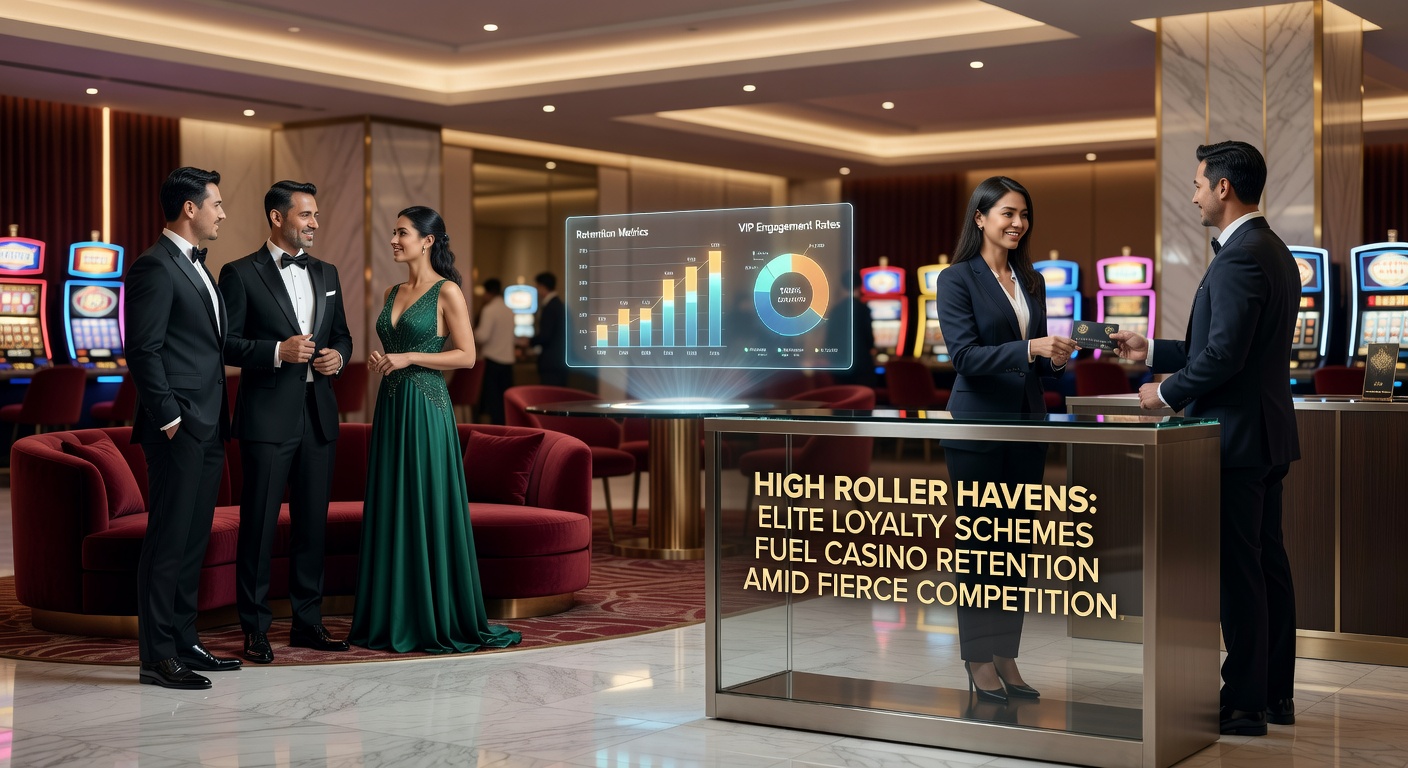
Global Battlegrounds: Where Loyalty Schemes Clash Head-On
Las Vegas remains the undisputed kingpin, but Asia flips the script; in Macau, Sands China's Paiza Club lures Chinese magnates with chauffeured Rolls fleets and private vaults for winnings, fueling a 22% GGY spike from VIPs in Q1 2026 per local filings, even as mass-market segments cooled. Singapore counters with Resorts World Sentosa's "Paiza Premier," boasting helipad arrivals and bespoke jewelry auctions, a formula that's locked in Southeast Asian elites despite high taxes.
Europe's no slouch either: Monte Carlo's Société des Bains de Mer offers "Starck Club" indulgences like yacht moorings in Port Hercules, while London's Hippodrome Casino rolled out "Oracle" tiers in late 2025, blending high-limit poker with West End theater packages to retain City financiers. Data from the European Casino Association highlights how these programs weathered a 2025 tourism dip, with VIP retention hovering at 85% versus 60% for casuals.
Online realms add fuel to the fire; platforms like BetMGM's VIP lounge deliver virtual private tables with dedicated dealers and rakeback up to 60%, drawing players who value discretion over flash—studies from the University of Nevada's gaming institute show digital whales migrating 20% faster than before, compelling physical casinos to hybridize with app-linked comps. One case study from Foxwoods Resort in Connecticut illustrates this: after launching a cross-platform loyalty bridge in 2025, they recaptured 15% of lapsed high rollers within months.
So, as April 2026 unfolds with Formula 1 weekends packing Vegas strips and cherry blossoms blooming in Macau, operators tweak algorithms to forecast seasonal surges, deploying flash rebates during lulls; that's where the rubber meets the road in sustaining these fragile empires.
Behind the Velvet Rope: Metrics That Matter and Pitfalls Ahead
Success metrics paint a vivid picture: theo—theoretical loss calculations—guides rebate precision, ensuring houses skim 1-2% while players revel in perceived wins; lifetime value models project returns over years, not sessions, which explains why a $50 million whale might earn lifetime perks eclipsing $5 million. Observers note how AI-driven personalization, like notifying a baccarat fan of a dealer's return, spikes session lengths by 40%.
But pitfalls loom large; oversaturation breeds entitlement, with some whales gaming systems via money laundering proxies—a issue flagged in a 2025 Ontario iGaming probe—while younger high rollers demand ESG perks like carbon-neutral jets. Plus, post-2026 recession fears tied to AI job shifts could slash discretionary spend, per Deloitte's gaming forecasts, pushing schemes toward gamified loyalty like NFT collectibles for exclusive events.
People who've dissected these programs often discover the real edge lies in emotional bonds—personal hosts become confidants, turning cold transactions into relationships; that's not rocket science, but executing flawlessly separates winners from also-rans.
Conclusion
Elite loyalty schemes stand as bulwarks in casinos' arsenal against cutthroat rivalry, channeling disproportionate revenues from a tiny cadre of high rollers through opulent, data-fueled ecosystems that prioritize retention over acquisition. As global markets evolve—Singapore's expansions, Vegas's tech infusions, Macau's VIP rebounds—operators who master these havens will thrive, while laggards watch whales swim away; data underscores the stakes, with top programs boasting 90% loyalty rates in benchmarked venues, a testament to their potency in April 2026's dynamic landscape and beyond.