Machine Learning Applications Reshaping In-Game Basketball Betting Approaches
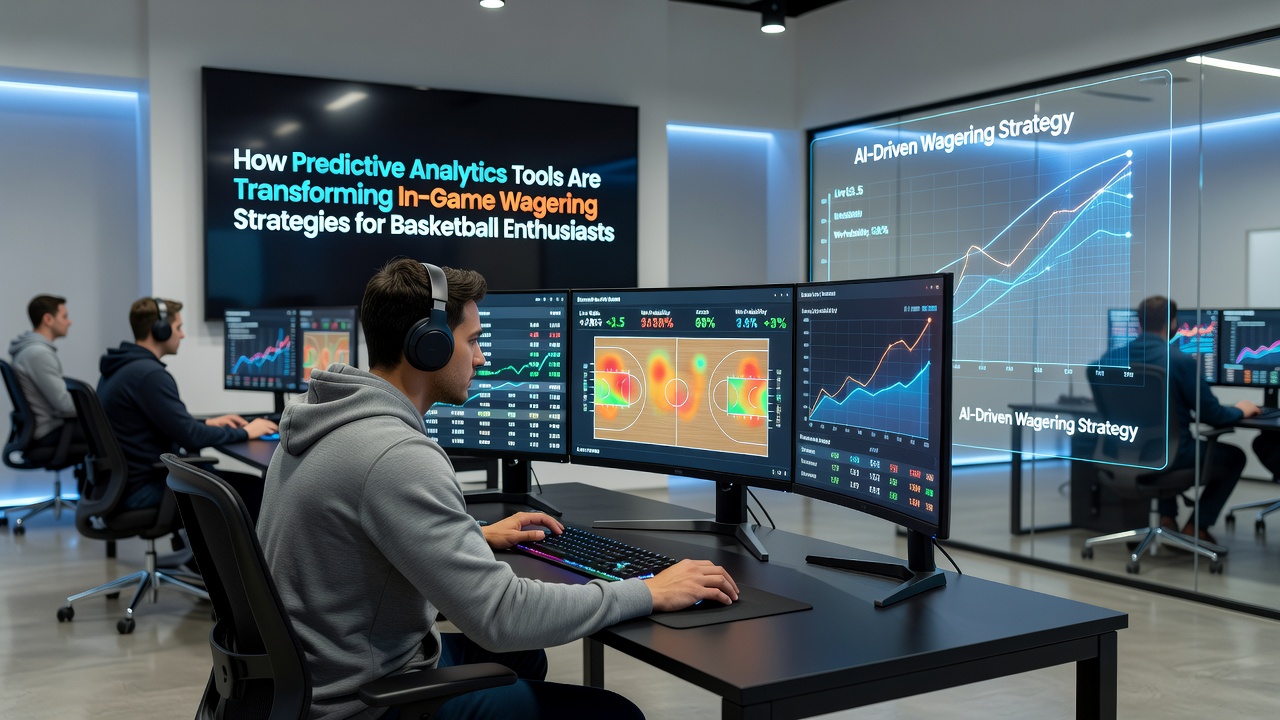
Professional basketball generates continuous streams of player tracking data, shot charts, and biometric readings that feed directly into predictive models used by wagering platforms and enthusiasts alike, and these systems adjust probabilities within seconds of each possession. Researchers at institutions such as the University of Nevada, Las Vegas have documented how machine learning algorithms now process thousands of variables ranging from fatigue metrics to defensive alignment shifts, allowing participants to identify value in live markets that traditional statistical methods often overlook.
Data from the 2025-2026 NBA season shows teams averaging over 120 player-tracking data points per minute, and platforms integrate these feeds to recalibrate odds on points scored, assists recorded, or turnovers committed before the next whistle blows. Observers note that enthusiasts who combine these outputs with their own observations frequently refine entry and exit timing during quarters, while those relying solely on pre-game analysis encounter narrower margins as the contest progresses.
Core Components of Current Predictive Systems
Modern tools rely on recurrent neural networks and gradient boosting frameworks that ingest historical play-by-play records alongside live sensor output, and these models assign weighted probabilities to outcomes such as three-point attempts converting or foul calls occurring in specific court zones. Industry reports from the American Gaming Association highlight adoption of similar frameworks across North American operators since early 2025, with integration timelines accelerating through the first half of 2026.
Real-time inputs include optical tracking camera data, wearable heart-rate monitors, and court-side referee signals that update model outputs continuously, yet the underlying architecture remains anchored in large historical datasets compiled over multiple seasons. People who examine these pipelines find that feature engineering around pace adjustments and substitution patterns often yields the most responsive signals for in-game adjustments.
Practical Effects on Live Strategy Execution
Enthusiasts now receive suggested bet sizing indicators derived from model confidence intervals rather than static spreads, and this shift allows quicker responses when a star player exits for rest or when a team's three-point volume spikes beyond projected norms. Figures from Canadian regulatory filings indicate that live basketball markets accounted for roughly 34 percent of total sports wagering handle in Ontario during the winter of 2025-2026, reflecting broader uptake of dynamic analytics across regulated jurisdictions.
One documented pattern involves models flagging elevated probabilities for second-half comebacks once a team's offensive rebound rate exceeds a calculated threshold, prompting participants to enter or hedge positions mid-quarter. Researchers continue to track how these signals interact with external factors such as travel schedules and back-to-back game loads, producing layered decision trees that update after each timeout.
Integration With Mobile Interfaces and Notification Layers
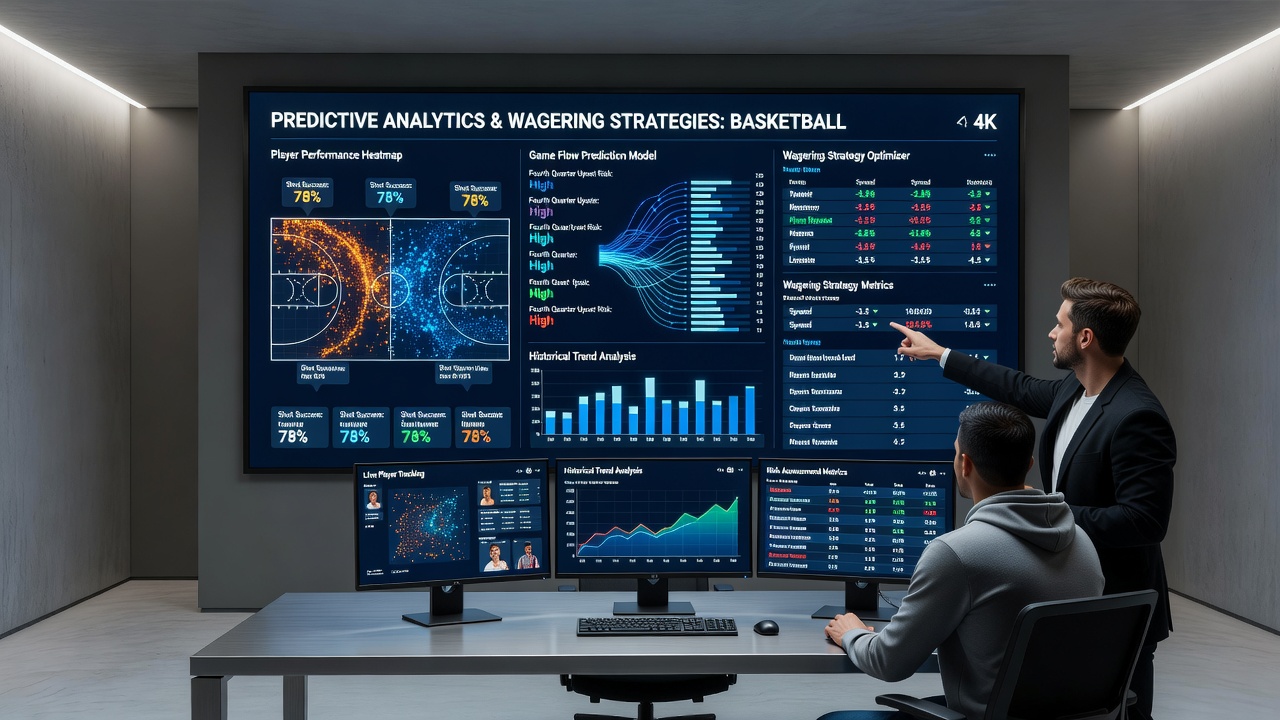
Applications deliver push alerts when model outputs cross predefined thresholds for events like fast-break efficiency or defensive rating changes, and users can toggle between simplified probability bars and detailed variable breakdowns. European studies published through the University of Loughborough in late 2025 examined similar notification frameworks across multiple sports and found measurable differences in session duration when real-time analytics were present versus static interfaces alone.
Operators have begun embedding these tools within existing account dashboards so that historical performance against particular model recommendations becomes visible, allowing enthusiasts to refine personal weighting of certain variables over successive games. The process operates without requiring manual data entry because APIs pull directly from league feeds and third-party processors.
Regulatory and Data Governance Context
Jurisdictions outside the United Kingdom maintain separate oversight mechanisms that address algorithmic transparency in sports wagering, and Australian state regulators have required disclosure of key model inputs since regulatory updates implemented in 2024. These requirements focus on ensuring that participants receive clear information about the data sources driving live odds rather than mandating full model disclosure.
Academic examinations continue to explore bias detection within training datasets, particularly around underrepresented player archetypes or unusual game conditions, while industry working groups evaluate standardized audit protocols that could apply across multiple leagues. As of June 2026 several North American operators report ongoing collaboration with university research teams to validate model calibration against actual game outcomes.
Conclusion
Predictive analytics continue to alter the timing and granularity of decisions made during basketball contests, supported by expanding data pipelines and refined modeling techniques that operate across both regulated and enthusiast communities. Continued examination by independent researchers and regulatory bodies will determine how these systems evolve alongside league rule changes and technological improvements in tracking accuracy.