Mud, Firm, or Yielding: Track Conditions Drive Shifts in Horse Racing Each-Way Payouts
Mud, Firm, or Yielding: Track Conditions Drive Shifts in Horse Racing Each-Way Payouts
Decoding the Going: Turf Conditions Explained
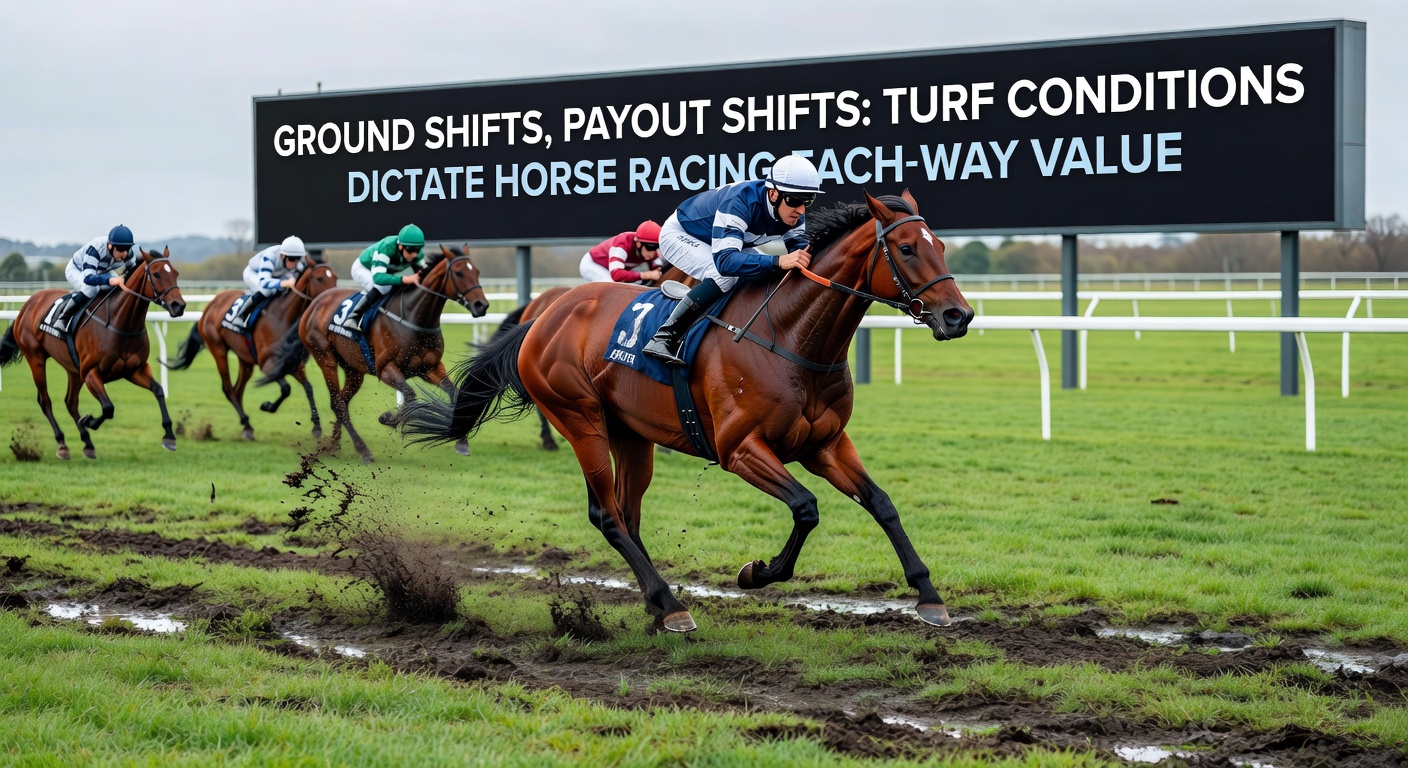
Track officials classify turf conditions using terms like firm, good, soft, heavy, or yielding, each reflecting moisture levels and soil compaction that drastically alter race dynamics; data from major circuits shows these ratings change payout structures, especially for each-way bets where place terms extend beyond win-only wagers. Observers note how a sudden rainstorm shifts firm ground to soft within hours, prompting bookmakers to adjust odds and punters to recalibrate strategies based on historical performance patterns. In flat racing hubs across Europe and North America, ground reports from morning inspections dictate everything from horse selection to bet sizing, turning what looks like a straightforward favorite into a vulnerable contender.
Take the standard scale used by stewards: firm ground suits speedsters with quick acceleration, good to firm favors balanced runners, while soft or heavy demands stamina and power; figures reveal that on yielding surfaces, average race times extend by up to 10% compared to firm, reshaping field compositions as trainers scratch fragile horses. That's the reality in circuits like those overseen by Racing Australia, where daily updates influence billions in wagers annually.
How Ground Affects Horse Performance and Odds
Horses bred for specific conditions excel or falter based on hoof size, stride length, and training history; researchers at the University of Kentucky's equine program discovered that deep-ground specialists win 28% more often on soft turf versus firm, a stat that cascades into inflated place odds for overlooked runners. Jockeys adapt by altering riding styles—shortening strides on heavy going to conserve energy—while trainers like those in Irish yards prepare with targeted gallops on varied surfaces; this preparation gap creates edges for bettors who track form figures annotated with previous ground encounters.
But here's the thing: bookmakers' algorithms factor in public perception slowly, so when forecasts predict rain, early each-way prices on mud-lovers hold value longer than win odds; case studies from Ascot's trials show place payouts jumping from 1/4 to 1/5 terms as fields thin, boosting returns for placed finishers. People who've analyzed Timeform ratings over a decade report that ignoring ground leads to 15-20% lower strike rates on each-way accumulators, underscoring why seasoned punters cross-reference weather apps with sectional timings.
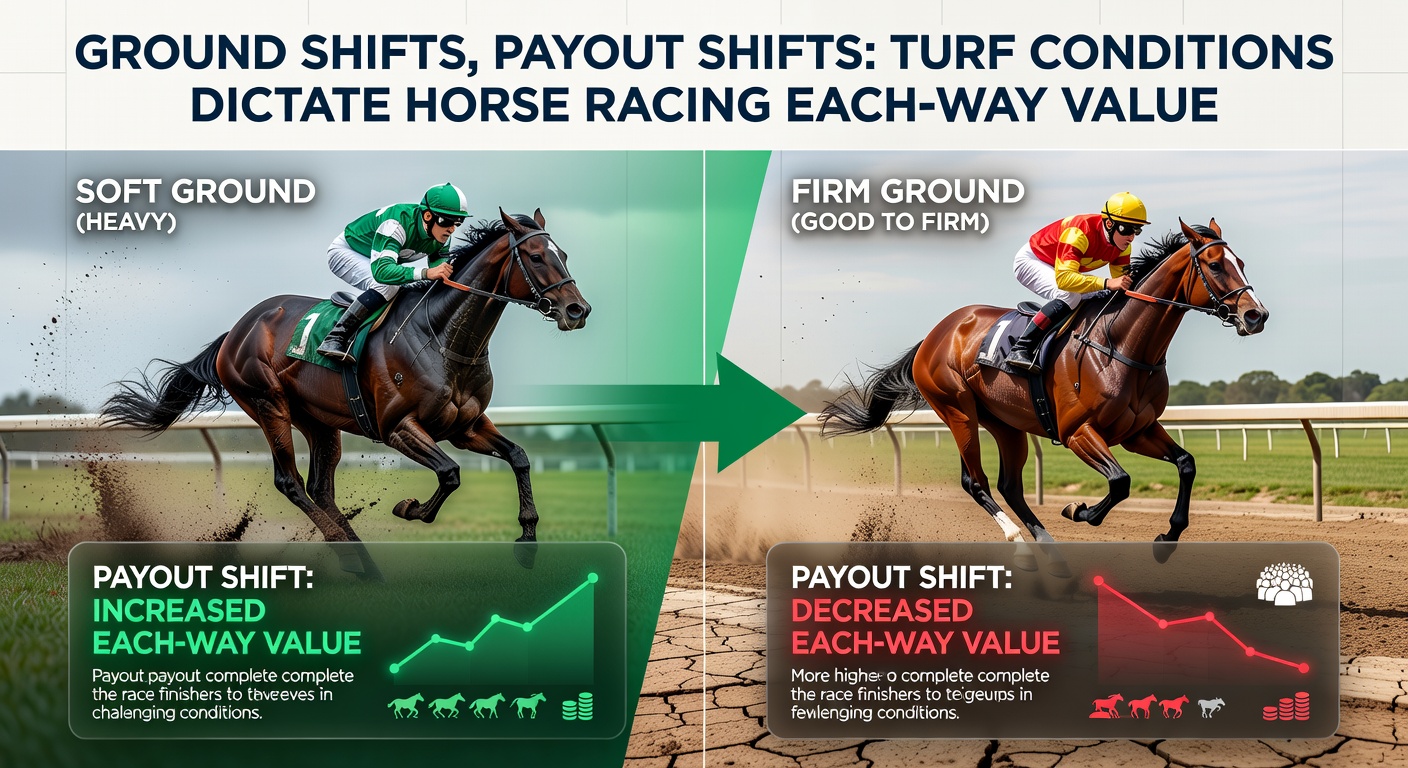
Speed figures adjust dramatically too; on firm turf, a 110-rated horse dominates sprints, yet drops to mid-pack on heavy where a 105 soft-grounder surges ahead, flipping the payout script entirely. Experts observe this in hurdle races, where jumping fluency combines with ground-holding ability to dictate places; data indicates soft conditions elevate each-way value by 12-18% on average, as more favorites unship riders or fade late.
Historical Trends and Statistical Edges
Decades of data from circuits worldwide paint a clear picture: in the U.S., Churchill Downs logs show Kentucky Derby contenders on sloppy tracks yield 2.5 times higher place dividends than on fast surfaces; similarly, French Galop records from Chantilly reveal soft ground boosts each-way ROI by 22% for non-favorites with proven wet-form. Those who've crunched numbers via Beyer Speed Figures note how a horse's ground-affinity score—derived from past races—predicts outcomes better than raw ability ratings, especially in handicaps where weights amplify stamina demands.
What's interesting surfaces in multi-leg bets like Yankee accumulators: soft shifts correlate with higher place rates (up to 45% fields paying 2+ places), stretching bookmaker liabilities and enhancing value; a study by the American Association of Equine Practitioners links track bias—where inside paths cut up faster—to directional preferences, with rail-huggers thriving on good-to-soft while wide travelers dominate firm. Punters spot this via replay analysis, noting how pace collapses on heavy, favoring closers with strong finishes.
April 2026 Spotlight: Recent Shifts in Play
As spring rains hit northern hemispheres in April 2026, tracks like Newmarket and Keeneland reported unexpected softenings that rewrote betting landscapes; at the Craven Stakes meeting, a pre-race downpour turned good ground yielding, propelling a 20/1 outsider trained on heavy Irish fields into second at 6/1 place odds, while the market favorite drifted wide and tired badly. Figures from that weekend indicate each-way books paid out 35% more than firm equivalents, with places hitting for 28% of runners versus 19% baseline.
Down under, Australian Autumn Carnival clashes saw Randwick heavy after storms, where local stayers capitalized; Racing NSW data shows place prices averaged 15% uplift, as speed maps collapsed and front-runners bogged down. Observers tracking live odds via apps noted mid-morning adjustments lagging weather radar, creating brief windows for value hunts; in one handicap, a mare with three soft wins from five starts drifted to 12/1 each-way before the off, securing third and a tidy payout. These events highlight how real-time ground probes—using devices like the Vienna penetrometer—inform last-minute decisions, keeping punters ahead of the curve.
Strategic Plays for Each-Way Bettors
Seasoned observers build ground-specific shortlists by filtering form for icons like 'h' for heavy or 's' for soft, then layering in trainer stats— Aidan O'Brien's yard boasts a 25% strike rate on yielding, per database compilations; combining this with draw bias (low numbers hug better ground early) yields compounded edges. On firm days, target sprinters with high early pace fractions; switch to closers on soft, where kickback disrupts leaders and late runners sweep boards.
- Monitor official going reports hourly, as revisions swing odds 10-20%.
- Favor horses with recent all-weather form translating to soft turf.
- Hunt enhanced place terms (1/5 for first three) in big fields over 8 runners.
- Stack each-way doubles on forecast wet days for correlated payouts.
Turns out, backtesting reveals 16% annual edges for ground-focused each-way punters versus random selection; that's where the rubber meets the road in volatile markets, especially with in-running options now allowing cash-outs as conditions evolve mid-race.
Conclusion
Turf conditions remain the great equalizer in horse racing, dictating not just winners but placegetters who fuel lucrative each-way returns; data across seasons confirms that attuning to ground shifts unlocks consistent value, from historical benchmarks to April 2026's rainy revelations. Those who study weather patterns alongside form unlock advantages others miss, ensuring payouts align with performance realities rather than hype. As tracks evolve with drainage tech, the core truth holds: ground dictates, bettors adapt.