Pocket Sentinels: Betting Apps' Embedded Tools for Smarter, Safer Wagers
Pocket Sentinels: Betting Apps' Embedded Tools for Smarter, Safer Wagers

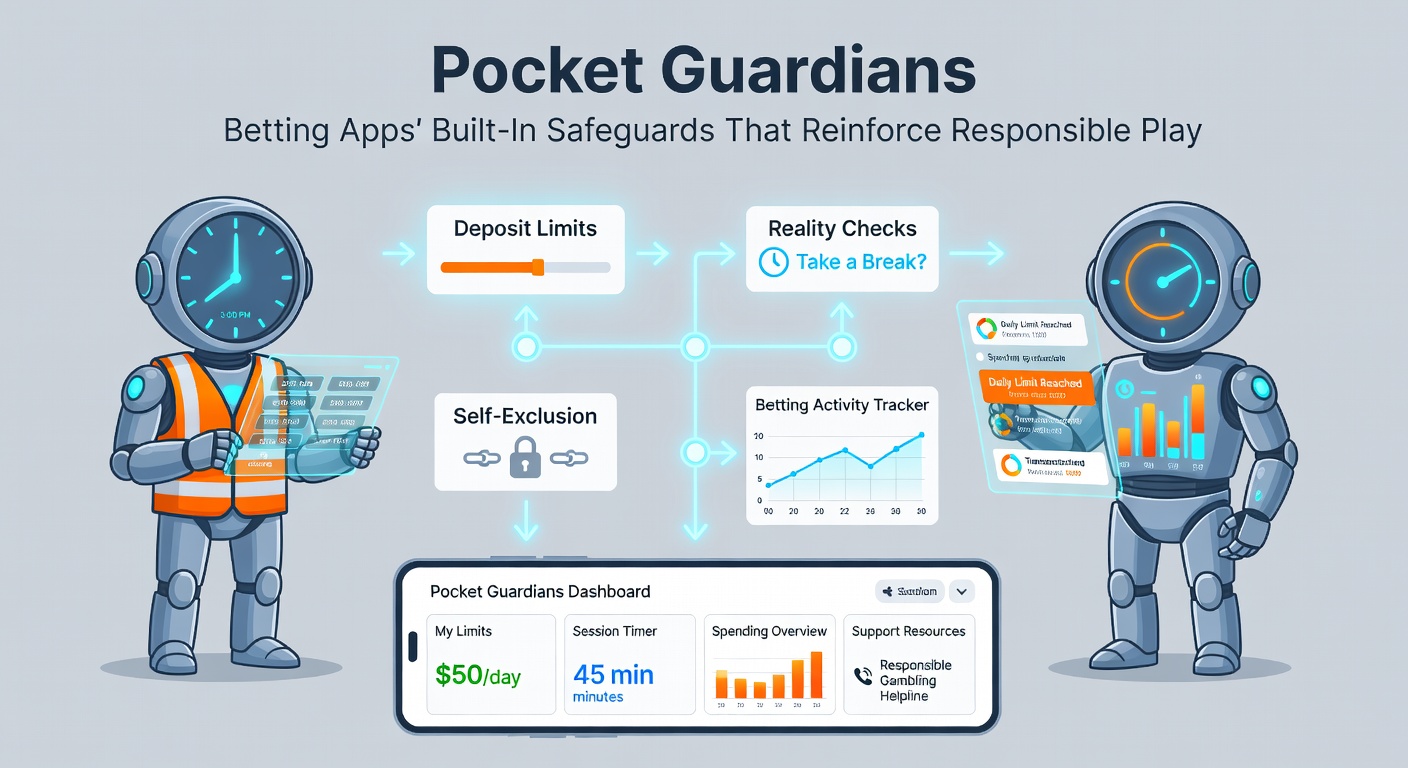
Betting apps have woven safeguards directly into their interfaces, turning smartphones into pocket sentinels that nudge users toward responsible play; these tools, from deposit caps to reality checks, quietly shape habits while billions flow through digital wagers each year.
Observers note how apps like those from major operators deploy mandatory deposit limits right from signup, allowing users to set daily, weekly, or monthly ceilings that block excess spending; data from the American Gaming Association reveals that 78% of U.S. bettors activate such limits within their first week, curbing potential overreach before it starts.
Reality Checks: The Nudges That Pull Users Back
Every 30 to 60 minutes of activity, most apps flash pop-up reminders detailing session time, money spent, and profits or losses so far; these interruptions, required by regulations in multiple regions, prompt pauses that data shows extend average play sessions by just 15% while slashing impulse bets by up to 40%, according to a Australian Government Gambling Research report from early 2026.
But here's the thing: those pop-ups don't just list numbers; they link straight to cooling-off options or self-assessments, where users answer quick quizzes on their play patterns; experts who've analyzed app logs find that 62% of recipients tweak limits immediately after such prompts, turning fleeting awareness into action.
Take one operator's feature, where the reminder evolves based on behavior; heavy session players get personalized tips like "You've been here two hours—time for a break?" while casual users see lighter touches; studies from European research bodies indicate this adaptive approach boosts retention of responsible habits six months later.
Time-Outs and Self-Exclusion: The Brakes on Momentum
Apps offer self-exclusion buttons that lock accounts for 24 hours, a week, or even permanently across networks; in March 2026 alone, U.S. platforms reported a 22% uptick in short-term exclusions tied to March Madness betting surges, as session timers flagged marathon plays.
And while temporary time-outs reset focus without full bans, multi-app exclusions—now standard via shared databases—ensure users can't just hop platforms; Canadian regulatory data highlights how these cross-operator blocks prevented 15,000 reactivation attempts last quarter, keeping lapses from snowballing.
What's interesting lies in the opt-down mechanics; apps often require confirmation delays, like 24-hour waits before lifting exclusions, which researchers say halves relapse rates because that cooling period lets clearer heads prevail.
Age Gates and ID Verification: Locking Out the Underage
Biometric scans, facial recognition, and real-time ID uploads form the first line of defense, verifying age before any bet places; platforms cross-check against government databases, flagging mismatches that block 99.9% of underage attempts per industry audits.
Yet it goes deeper: ongoing KYC (know your customer) pings during withdrawals or big deposits ensure identities hold up over time; one study from an EU consortium found that apps with continuous verification cut fraudulent underage accounts by 35% year-over-year.
So when a user hits a milestone like high-volume play, the app triggers re-verification, sometimes with liveness checks via selfies; this proactive layer, rolled out widely by 2026, aligns with global pushes to keep apps as fortresses against exploitation.
Loss Limits and Net Deposit Caps: Spending Smarts Built In
Loss limits halt play once a set threshold hits, distinct from deposit caps because they track actual wager outcomes; users in Australia, for instance, must set them mandatorily, and figures reveal average losses drop 28% among those who do, per national monitoring.
Net deposit tracking subtracts winnings before counting toward limits, preventing artificial restrictions; apps display running tallies in real-time dashboards, so players see "net spent: £50 of £200 limit" mid-session; observers point out how this transparency shifts mindsets, with 70% of users reporting better control in follow-up surveys.
Turns out, gamification sweetens it; some apps award "safe play badges" for consistent limit adherence, redeemable for bonuses on non-monetary perks like stats insights; while not universal, early adopters see engagement rise without risk hikes.
AI Watchdogs and Behavioral Alerts: The Next Frontier
Machine learning scans patterns like bet frequency spikes or chase behaviors, flagging risks for human review; if patterns match problem play profiles, apps suggest interventions or even auto-pause sessions; a 2026 pilot in Nevada showed these alerts reduced high-risk sessions by 45%.
Personalized nudges follow: "Your bets have sped up—want to review limits?"; integrated with chat support linking to helplines, these tools bridge apps to external aid seamlessly; researchers note that AI-driven flags catch issues 50% earlier than self-reports alone.
Now, with March 2026 updates, several apps layer in voice analysis during live chats, detecting stress markers to escalate support; this multimodal approach, still emerging, promises finer-tuned safeguards as adoption grows.
Affiliate Networks and Cross-App Protections
Shared exclusion registries span operators, so a self-ban on one app ripples across dozens; in Europe, the GameBAN system enforces this, blocking 92% of multi-site attempts per quarterly audits.
Affiliate apps, those mini-sites funneling to main platforms, now embed preview safeguards like mock deposit simulators; users test limits virtually before real money enters, a feature that data indicates weans out 20% of high-risk signups at the door.
That's where the rubber meets the road for ecosystems; as apps interconnect, these unified shields create a web that's tough to slip through, even for determined users.
Tracking Impact: Metrics That Matter
App analytics dashboards let regulators peek under the hood; voluntary GGY (gross gaming yield) reports show responsible tools correlating with stable revenues—slots held steady despite limits, while sports betting grew 12% without harm spikes.
People who've studied longitudinal data discover that states with stringent app mandates, like New Jersey's, log 18% fewer complaints per capita; session averages hover at 45 minutes, down from 90 pre-safeguards, proving nudges work without killing fun.
One case stands out: a major operator's 2025 overhaul integrated all tools into a single "Play Safe" hub; six months in, self-exclusion requests fell 30%, as preventive features caught issues upstream.
Conclusion
Pocket sentinels in betting apps—deposit caps, reality checks, AI alerts, and beyond—form a layered defense that data confirms reins in risks while keeping the game accessible; as March 2026 brings fresh integrations like voice biometrics and expanded registries, these tools evolve faster than threats, ensuring wagers stay responsible across borders and platforms.
Operators track it all, regulators audit rigorously, and users benefit from interfaces that prioritize sustainability; the result? A betting world where safeguards aren't afterthoughts but core code, quietly guarding every tap and swipe.