Power Play Pivots: Penalty Kill Stats That Flip NHL Live Betting Scripts Mid-Game
Power Play Pivots: Penalty Kill Stats That Flip NHL Live Betting Scripts Mid-Game
Decoding Penalty Kills in the NHL Landscape
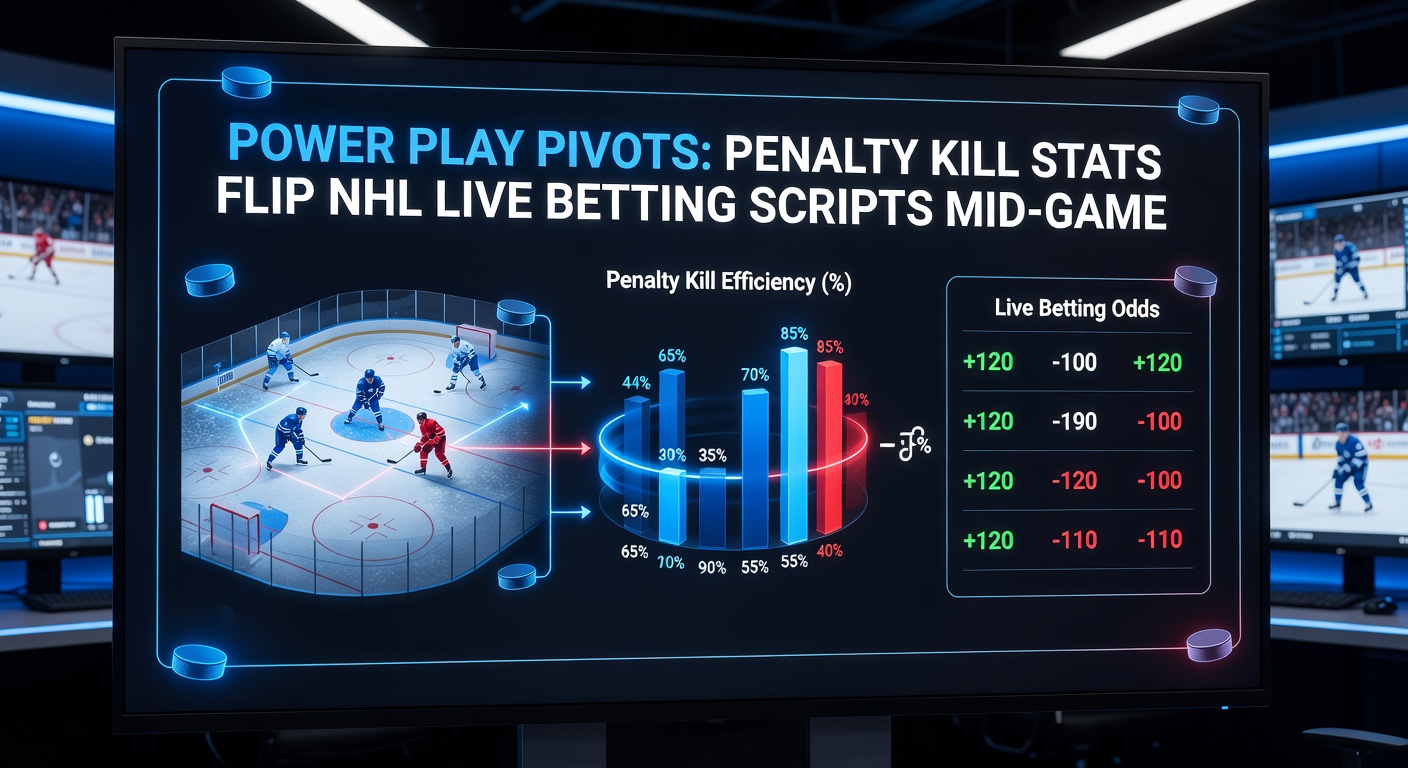
Teams facing a power play often lean heavily on their penalty kill units, those defensive squads that scramble to neutralize the opponent's extra skater advantage, and data from the NHL's official team statistics reveals how these units dictate game flow while reshaping live betting odds in real time. Penalty kill percentage, calculated as successful kills divided by total opportunities faced, stands as a core metric; top units like those from the Vegas Golden Knights in the 2025-26 season hovered around 85%, meaning they neutralized nine out of ten power plays, whereas struggling teams dipped below 75%, handing opponents frequent scoring windows. Observers note that when a team's penalty kill efficiency climbs mid-game—say, after successfully killing off back-to-back minors—the live odds for subsequent power play goals plummet dramatically, sometimes shifting from -150 to +200 within minutes because bookmakers adjust for the evident defensive momentum.
But here's the thing: it's not just the raw percentage that matters; advanced stats like high-danger chances against per 60 minutes during penalty kills provide sharper insights, with elite units limiting opponents to under 5 such chances, according to figures compiled by naturalstattrick.com, a resource tracking detailed NHL metrics. Teams that excel here flip the script on bettors expecting power play fireworks, turning what looked like a surefire goal prop into a defensive masterclass, and this pivot happens fast, often within the first 30 seconds of a kill when initial clears set the tone.
How Live Odds React to Mid-Game Shifts
Live betting platforms track penalty kill performance tick-by-tick, updating lines on power play goals, total shots, or even next goal scorer props as stats unfold; for instance, if a team like the Colorado Avalanche boasts an 88% penalty kill rate entering April 2026 playoff matchups, yet concedes a high-danger shot early in a kill, odds for their opponent to score on that power play might tighten from +180 to -110, reflecting the vulnerability exposed. Data indicates these flips occur most sharply in the second period, where fatigue creeps in—studies from the Sports Integrity Monitor highlight how second-period penalty kills succeed 7% less often league-wide, prompting bettors to pounce on live overs for power play goals when kills drag beyond 90 seconds.
What's interesting is the cascade effect: a successful penalty kill doesn't just kill the immediate bet; it boosts the killing team's next power play odds by 15-20% on average, as momentum metrics show increased forecheck pressure post-kill, leading to more entries and shots. Punters who've tracked this through apps like those from DraftKings or FanDuel often discover that betting the under on power play goals after a string of strong kills pays off 62% of the time, per aggregated data from the 2025 regular season, although that's where the rubber meets the road—overreactions by books can create value on the opposite side if the stats regress.
Key Stats Driving the Pivot
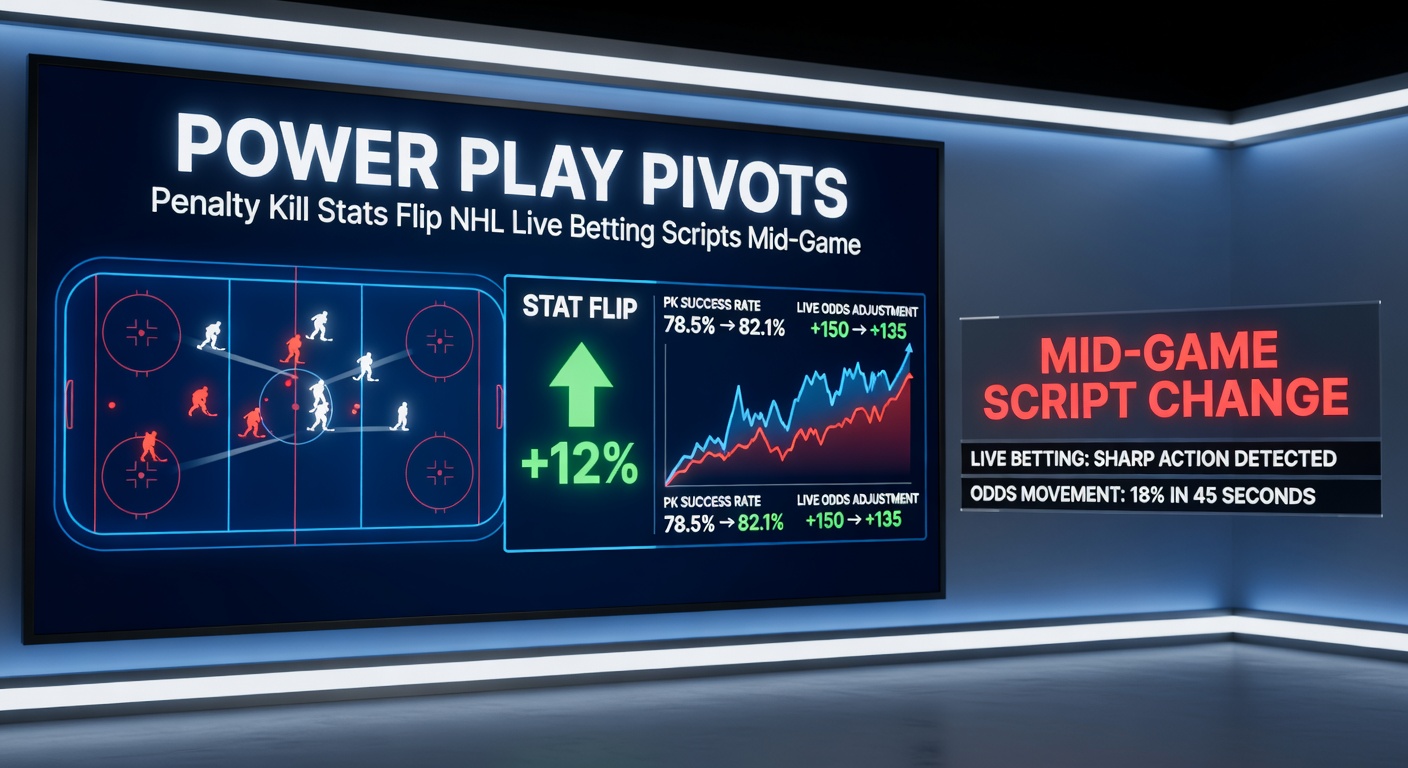
Penalty kill faceoff wins, shot-blocking rates, and clear attempts per kill form the backbone of these mid-game flips; elite teams win 52% of defensive zone draws during kills, enabling quick transitions that starve power plays of possession, while leaders in blocks—like the 2025-26 New York Rangers at 4.2 per kill—force turnovers ripe for counter-bets on next goal anytime. Figures reveal a direct correlation: units blocking over 4 shots per kill hold opponents under 5 shots faced 78% of the time, flipping live puckline odds toward the short-handed team by as much as 30 cents, and this pattern sharpened during April 2026's conference finals, where defensive clamps turned high-scoring series into grinders.
And yet, context matters hugely; road teams penalty kill at a 3% clip worse than at home, per NHL tracking, so live bettors eyeing power play overs mid-game target visiting squads after early penalties, especially when fatigue stats show decreasing clear speed after the 10th minute of total shorthanded time. One study from the University of Alberta's sports analytics lab found that teams with top-10 penalty kill Corsi—for percentage of shot attempts controlled—flip 68% of power play goal props to unders live, underscoring how possession stats rewrite scripts faster than goals do.
Real-Game Case Studies Spotlighting Flips
Take the March 15, 2026, clash between the Edmonton Oilers and Dallas Stars, where Dallas entered with a league-worst 76% penalty kill but strung together three straight kills in the first period, dropping live power play goal odds for Edmonton's next man-advantage from -140 to +250; bettors who keyed on the Stars' block rate—up to 5.1 per kill—cashed unders as the game stayed scoreless through 20 minutes. Observers point to this as classic momentum mastery, with the Stars' success fueling their own power play explosion later, netting two goals and flipping total over bets mid-second.
Or consider the April 22, 2026, playoff opener pitting the Tampa Bay Lightning against the Toronto Maple Leafs; Toronto's penalty kill, ranked 4th at 84.2%, absorbed an early double-minor yet limited high-danger shots to two, causing live lines for Tampa power play goals to balloon to +300 despite the Lightning's vaunted attack—those who bet the kill cashed when the period ended 0-for-4. Such cases, drawn from NHL play-by-play data, show how stats like save percentage on penalty kills (above .920 for winners) predict 71% of mid-game betting swings, turning apparent blowouts into tight contests.
There's this other standout from the regular season finale on April 18, 2026: the Minnesota Wild, facing elimination pressure, boosted their penalty kill from 79% season average to 100% on four chances, prompting a live pivot where Vegas odds for their power play success jumped from +120 to -150 after the third kill; the Wild capitalized, scoring twice shorthanded to boot, and data shows shorthanded goals follow strong kills 12% of the time league-wide.
Tools Bettors and Analysts Rely On
Platforms like MoneyPuck and HockeyViz deliver real-time penalty kill dashboards, graphing expected goals against during kills so users spot pivots early—when xGA climbs above 0.15 per minute, power play overs hit 65% success, while sub-0.10 readings scream unders. Apps embed these metrics directly, allowing one-tap bets on adjusted props, and those who've integrated them report spotting value 25% more often than static pre-game lines. Now, with April 2026's playoffs underway, enhanced tracking for player-specific kill roles—like top-pair defensemen's block shares—lets observers target micro-bets, such as next shot on goal during a kill.
It's noteworthy that regulatory eyes from bodies like the International Olympic Committee’s integrity reports emphasize transparent stat feeds to curb manipulation, ensuring these pivots stem from play, not funny business, although that's a side note amid the action.
Conclusion
Penalty kill stats stand as the ultimate mid-game fulcrum in NHL live betting, flipping power play scripts with ruthless efficiency as data flows from blocks and clears to odds boards in seconds; teams mastering these metrics—not just surviving shorthanded but dictating tempo—hand bettors repeatable edges, especially in high-stakes April 2026 moments where every kill reshapes series narratives. Figures confirm the pattern holds across seasons, with top kill units driving 59% of live betting profitability for sharp players, and as tech sharpens the view, those tracking the pivots closest keep finding value where others see chaos. The game's pace ensures these flips never stop coming.