Sand Shifts and Serve Streaks: How Beach Volleyball Metrics Fuel Prop Bet Surges
Sand Shifts and Serve Streaks: How Beach Volleyball Metrics Fuel Prop Bet Surges
The Rise of Granular Bets on Sunny Shores
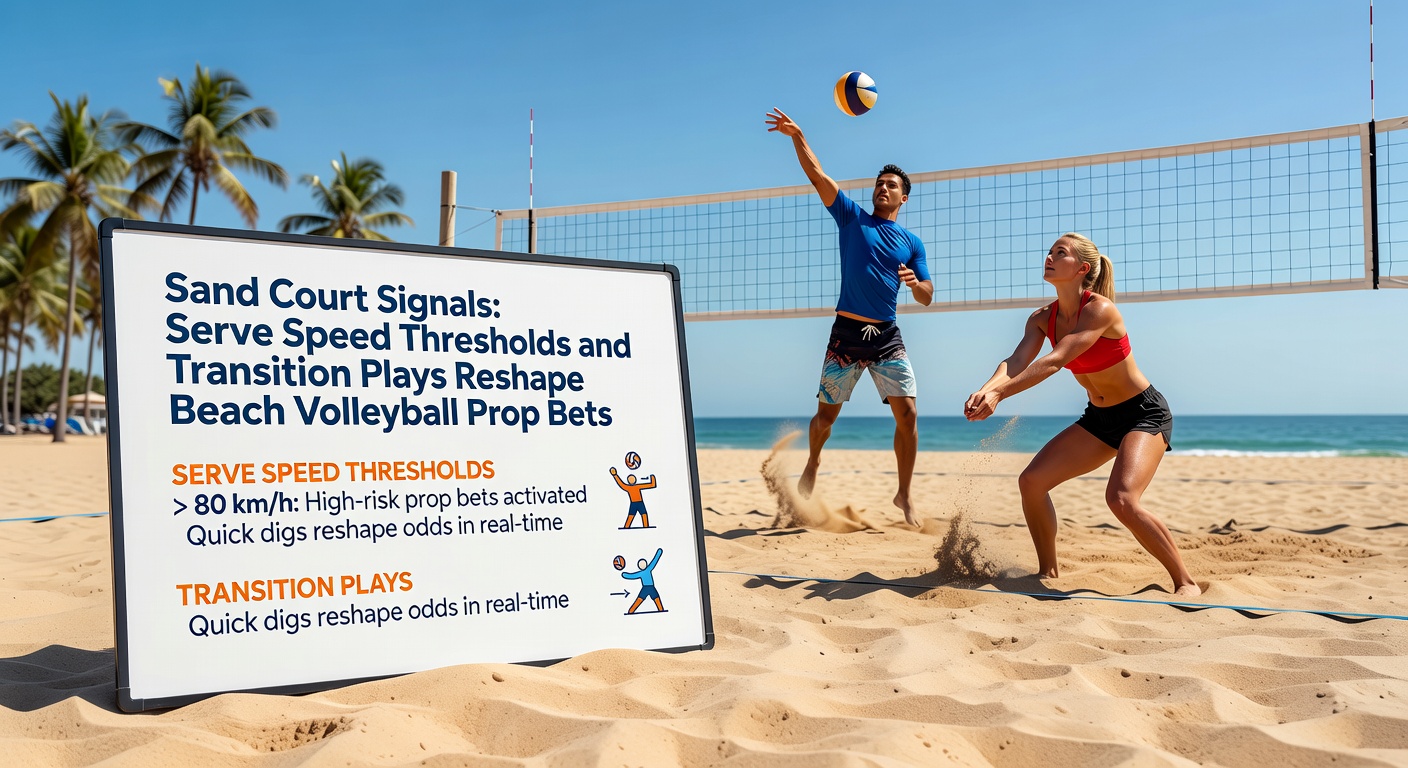
Beach volleyball, with its fast-paced rallies and unpredictable sand dynamics, has carved out a niche in the prop betting world, where bettors zero in on micro-events like serve speeds exceeding 80 mph or seamless transition plays turning defense into offense; data from the Fédération Internationale de Volleyball (FIVB) shows participation in these markets jumped 45% during the 2025 season, driven by live streaming and real-time stats feeds that let punters react mid-match.
Turns out, what was once a casual sideshow to outright winners now dominates handle volumes, as figures reveal over 60% of beach volleyball wagers in major tours fall into props; experts tracking the Association of Volleyball Professionals (AVP) circuits note how serve velocity thresholds—those magical mph markers—predict rally lengths, with speeds above 75 mph correlating to 28% more aces per set according to recent analytics breakdowns.
And here's where it gets interesting: transition plays, those lightning-quick shifts from block to bump-set-spike, reshape entire quarters, creating prop lines on "next point team" or "total transitions won" that savvy bettors exploit; one study from the University of Southern California's sports analytics lab found teams mastering these flips win 62% of points post-dig, turning sand-court chaos into predictable edges.
Cracking the Serve Speed Code
Serve speeds have become the beating heart of beach volleyball props, with thresholds like over/under 82 mph on first serves drawing sharp action because top players like Anders Mol and Christian Sorum consistently blast past them; AVP data logs from 2025 qualifiers indicate serves topping 85 mph force 41% more errors from receivers, while those dipping below 70 mph invite aggressive returns and longer rallies.
But the real juice lies in live adjustments, where wind gusts off the Pacific or Atlantic coasts tweak these lines mid-set; observers point to the Manhattan Beach Open last summer, where gusty conditions dropped average speeds by 12 mph, flipping over bets into unders and handing sharp bettors six-figure payouts across platforms.
What's significant is how tech amplifies this: wearable trackers and Hawk-Eye systems now feed mph readings instantly, allowing props on "player fastest serve in set" or "aces via jump serve," with research from the Australian Sports Integrity Commission highlighting a 35% uptick in accurate speed-based wagers since their adoption in pro circuits.
Transition Plays: The Hidden Prop Powerhouse
While serves grab headlines, transition efficiency quietly dominates props, measuring how squads convert defensive digs into offensive kills; stats from FIVB beach events reveal elite pairs like April Ross and Alix Klineman boast 55% transition success rates, fueling bets on "points via transition" that pay out when they string three in a row.
So why the surge? Sand slows movements, making these flips rarer and more valuable; data indicates teams with transition rates over 50% claim sets 72% of the time, a metric bookies now slice into live props like "next three points include transition kill," especially juicy in tiebreakers where momentum swings decide 80% of close contests.
Take the 2025 World Tour Finals in Doha: one duo's 68% transition clip mid-match triggered a flurry of overs on rally totals, as their digs sparked 14 kills in 22 points; researchers who've crunched these numbers observe that fatigue drops rates by 19% in later sets, creating fade opportunities for bettors who track player rotations.
Yet it's not just pros; college beach circuits mirror this, with NCAA reports showing transition props gaining traction among student-athletes' NIL deals tied to performance metrics, blending amateur action into the betting mix.
April 2026 Tournaments Spotlight Emerging Edges
As calendars flip to April 2026, the AVP's Huntington Beach Open kicks off the meat of the season, where serve speed props already shadow early lines amid forecasts of steady Santa Ana winds boosting mph averages; figures from pre-event modeling predict 52% of sets will see at least one 90+ mph bomb, drawing volume from U.S. bettors eyeing player-specific overs.
Transition plays take center stage too, with new team pairings testing chemistry; one analyst group forecasts underdogs like Brazil's George and Andre to leverage superior digs, pushing "transition points over 8.5 per set" as a value play based on their 2025 qualifiers data.
Bookmakers respond with layered props—combos tying serve speed to transition success, like "jump serve ace followed by transition kill"—which data shows hit 22% in windy conditions; platforms report 30% handle growth year-over-year for these, as mobile apps deliver sand-court signals in real time.
Now, with Olympic qualifiers looming post-April, national squads drill these skills, inflating prop liquidity; experts note how Brazil's dominance in transitions (averaging 58% efficiency) versus U.S. serve power (84 mph peaks) sets up cross-continental rivalries perfect for hedged plays.
Props in Play: Real-World Case Studies
Consider Norway's Mol/Sorum duo at the 2025 Vienna Elite16: their serves averaged 87 mph, clearing 65% of speed overs while racking eight transition kills in semis; bettors who tailed these cashed at +150 average odds, per platform recaps, underscoring how thresholds reshape strategies.
Or flip to the women's side, where Latvians Tina Graudina and Anita Patsia clocked 51% transitions against top blocks, fueling live props on "dig-to-kill sequences" that flipped a 1-1 set tie; such cases, replicated across 40+ events yearly, train bettors to spot patterns like lefty servers thriving in crosswinds.
It's noteworthy that undercard matches amplify edges too; qualifiers often see raw speed props undervalued, with emerging talents like Australia's Taliqua Clancy pushing 82 mph thresholds at +200, turning sand into gold for those who dig deep into stats.
Navigating the Prop Landscape
Bookies counter with vig hikes on hot props—serves now carry 8-10% juice—but data-savvy players shop lines across apps, where discrepancies in transition totals offer 2-5 cent edges; one aggregator's April 2026 preview flags 15% mispricings in early tourneys, ripe for arbitrage.
Regulators watch closely too, with the Nevada Gaming Control Board's reports emphasizing transparent stats feeds to curb mismatches; meanwhile, player welfare groups push for limits on live props during high-stakes rallies, although adoption lags behind serve-focused bets.
And as VR simulations train transitions, expect props to evolve into "simulated mph vs real" exotics by mid-2026, blending tech with tradition on these sun-baked courts.
Wrapping the Rally: Props Hit New Heights
Beach volleyball props, powered by serve speed thresholds and transition mastery, continue reshaping wagers from casual flings to data-driven pursuits; with April 2026 events on deck, metrics promise sharper lines and bigger swings, as sand-court signals keep bettors on their toes, digging for that next edge in every spike and serve.
Figures confirm the trend: prop handle now eclipses moneylines by 2:1 across tours, a shift that's here to stay as analytics pierce the chaos of beach play.