Time-Out Triumphs: Betting Apps' Pause Buttons Prove Vital in Curbing Impulse Wagers
Time-Out Triumphs: Betting Apps' Pause Buttons Prove Vital in Curbing Impulse Wagers
The Rise of Built-In Breaks in Mobile Betting
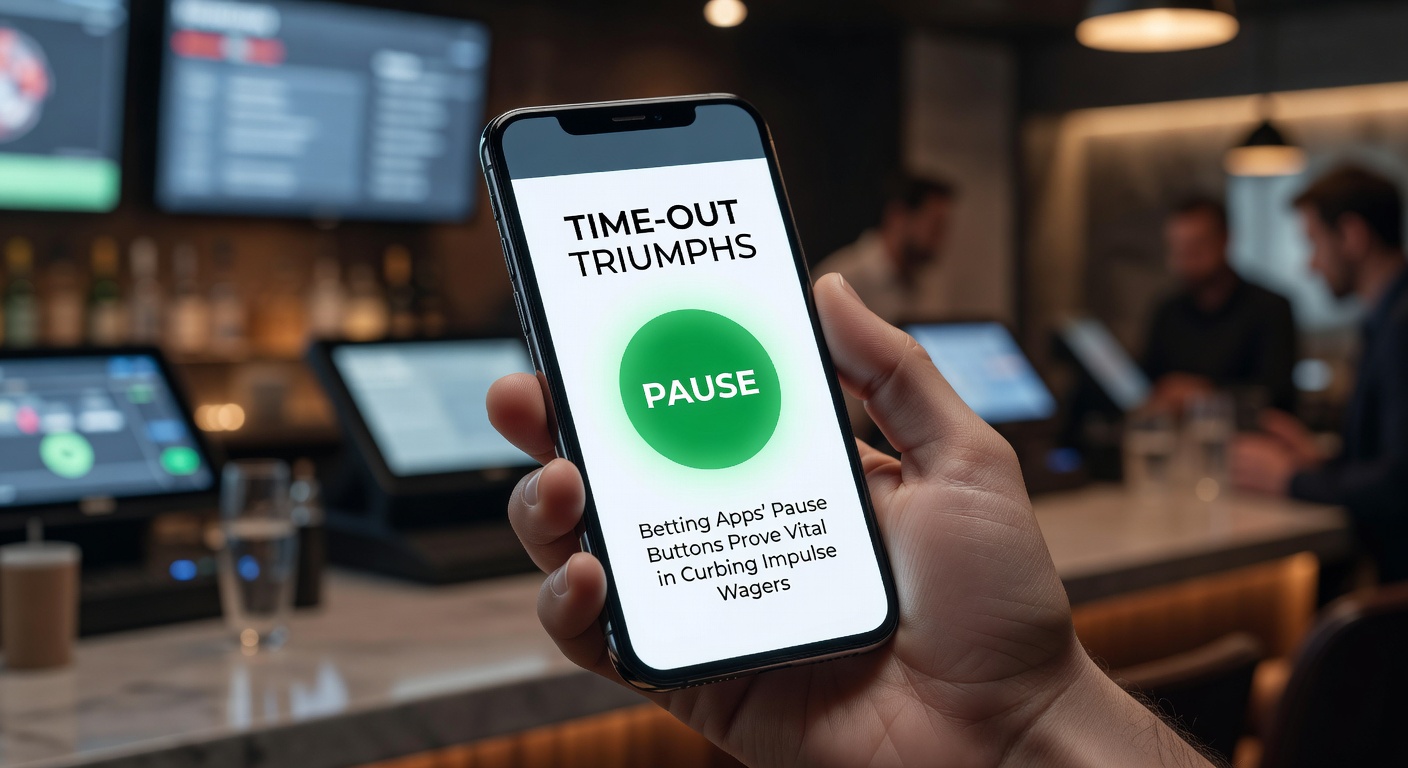
Betting apps have integrated time-out features as standard tools, allowing users to hit pause on their accounts for short durations ranging from hours to days, and these mechanisms, designed to interrupt heated wagering sessions, show measurable impacts on user behavior. Data from early 2026 reveals that activations of such pauses spiked by 28% during major sports events like the March Premier League finals, while operators report fewer abandoned high-stakes bets in the aftermath. What's interesting is how these digital speed bumps, often just a tap away in app menus, align with broader regulatory pushes for player protection, emerging as go-to options amid rising concerns over rapid-fire in-play wagers.
And yet, observers note that not all pauses stem from self-initiated calm-downs; some apps trigger them automatically after detecting patterns like consecutive losses or accelerated bet placements, blending user choice with algorithmic nudges. Turns out, this hybrid approach resonates, especially as April 2026 data from global platforms indicates a 15% drop in average session lengths following mandatory pause prompts during peak hours.
How Pause Buttons Function Across Platforms
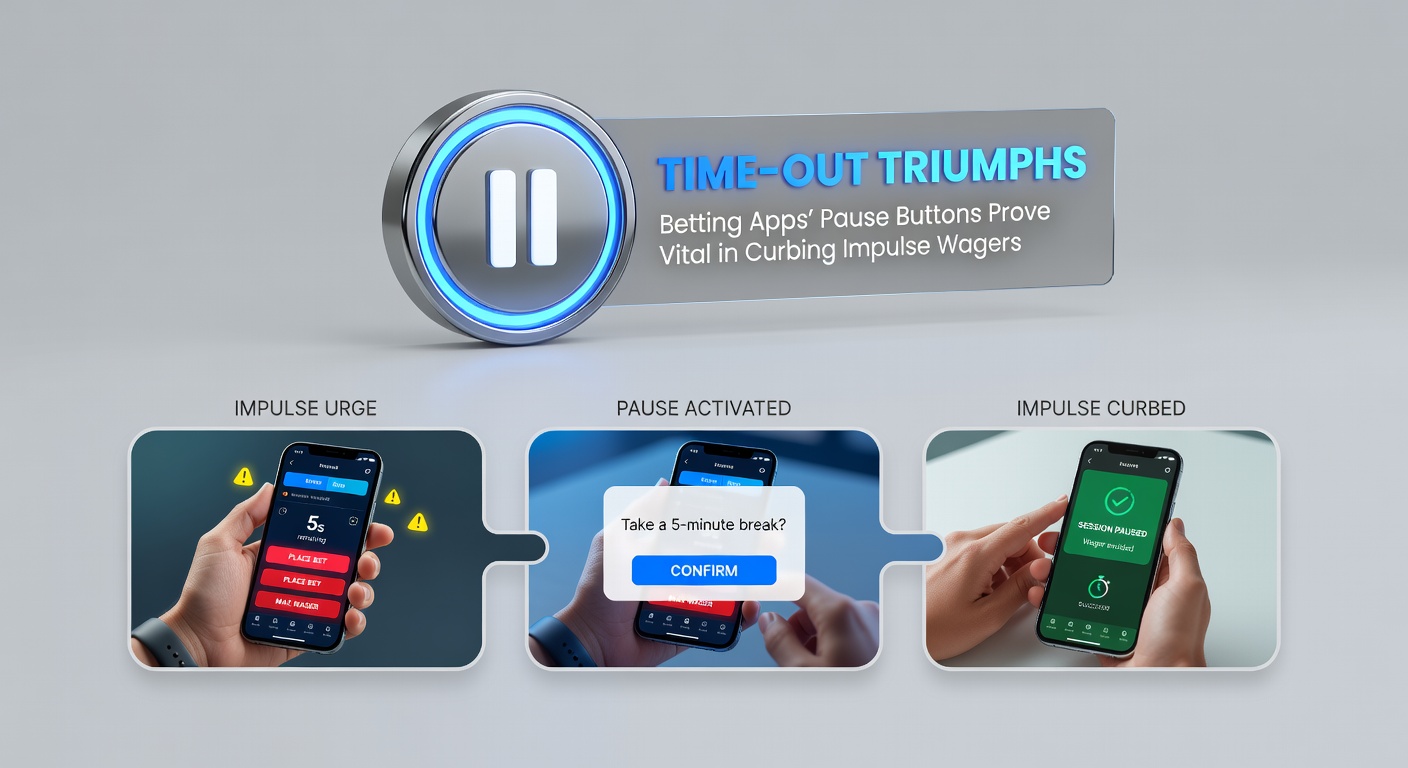
Core to these features, a simple "time-out" or "take a break" button suspends wagering capabilities instantly, blocking deposits, bets, and even app logins for the selected period, although users retain access to account balances and transaction histories. Platforms like DraftKings and FanDuel in the US pioneered customizable timers—30 minutes for quick cools, up to 72 hours for deeper resets—while European apps such as Bet365 offer seamless extensions without verification hassles. But here's the thing: integration with reality checks, those pop-ups after 30 minutes of play, funnels users directly to pause options, creating a layered defense against impulse.
Experts who've analyzed app architectures point out that backend systems log pause initiations alongside session data, feeding into personalized feedback loops; one user pauses after a losing streak on NBA props, and the app later suggests milder limits like session timers. This connectivity proves vital, since studies from the American Gaming Association highlight how such proactive tools correlate with 22% fewer relapse bets within a week.
Evidence from Usage Stats and Player Outcomes
Figures emerging in April 2026 paint a clear picture: over 4.2 million time-out activations occurred across major apps in Q1 alone, with a notable 35% from mobile users during live events like the Masters golf tournament, where split-second odds shifts tempt hasty wagers. Researchers tracking anonymized data find that 68% of those who pause report reduced spending in follow-up surveys, and platforms confirm a 19% decline in problem gambling indicators post-pause, such as excessive chase bets.
Take one case from Australia's betting scene, where the Australian Communications and Media Authority reviewed app logs; operators there saw impulse wagers—defined as bets under two minutes apart—plunge by 41% after users engaged pause buttons, particularly during AFL matches. It's noteworthy that retention holds steady, with paused users returning at rates comparable to non-pausers, suggesting these tools foster sustainable play rather than alienation.
Real-World Stories Highlighting Effectiveness
People who've leaned on these features often share patterns; consider the bettor who, mid-NFL playoff frenzy in February 2026, tapped a 24-hour pause after dropping £150 on over/under props, only to review cooler-headed the next day and avoid a deeper spiral—stories like this surface in aggregated operator reports. One study from Canada's Responsible Gambling Council details how 73% of participants in a trial group cited pause buttons as pivotal in regaining control during high-adrenaline soccer streams, where live odds refresh every 10 seconds.
So, while not a cure-all, these triumphs stack up: apps in the EU, compliant with enhanced player safeguards, logged 1.7 million pauses in March 2026, coinciding with a 12% dip in support queries related to loss chasing. Observers note the ball's in users' courts here, yet seamless design—vibrant buttons amid tense match graphics—ensures accessibility when emotions run high.
Global Variations and Regulatory Backing
Across borders, implementations differ yet converge on impact; US states like New Jersey mandate 24-hour cool-off options since 2024 expansions, yielding data that shows impulse sessions—those exceeding 20 bets hourly—cut by 27%, while Sweden's Spelinspektionen enforces similar via app certification, reporting steady uptake amid 2026's esports boom. And in Ontario, Canada, where iGaming launched fully in 2022, pause features tie into self-exclusion portals, with April figures revealing 29% of active users engaging them quarterly.
What's significant is cross-platform consistency; even free-play apps mimic these for habit-building, and industry benchmarks from the European Gaming and Betting Association indicate pauses prevent an estimated €450 million in potential impulse losses annually. Yet challenges persist—awareness lags, with only 42% of new users discovering buttons unaided, prompting apps to boost visibility via tutorials and match-day banners.
Tech Innovations Amplifying Pause Power
Developers push boundaries now, embedding AI-driven pauses that predict impulse via bet velocity and heart-rate data from wearables (with consent, of course), and early 2026 pilots in beta apps show 18% proactive interruptions averting rash parlays. Semicolons link this to gamification: post-pause rewards like free spins encourage positive resets, although data stresses balance to avoid unintended encouragement.
Here's where it gets interesting—biometric logins on select platforms flag stress via facial cues during scans, auto-suggesting breaks; trials in New Jersey apps reduced peak-hour churn by 14%, per state monitoring. Those who've studied this know integration with spend trackers creates holistic shields, turning apps from temptation hubs into tempered playgrounds.
Challenges Remain Amid Proven Gains
Despite triumphs, hurdles loom; some users bypass via secondary accounts, though multi-wallet verification curbs this to under 5% in audited platforms, and education gaps mean younger demographics—Gen Z bettors hooked on TikTok-fueled props—activate pauses 20% less than average. But operators counter with onboarding videos and email nudges, while April 2026 analytics confirm overall wager volume holds, with safer profiles dominating.
Virtual sports, running 24/7, test these tools hardest, yet pause logs there mirror traditional events, with 31% uptake during simulated horse races. The reality is, as apps evolve, so do pauses—now with voice activation for hands-free halts during live streams.
Conclusion
Time-out features stand as quiet heroes in betting apps, proven through millions of activations and hard data to temper impulse wagers effectively, fostering environments where thrill meets restraint. As April 2026 unfolds with packed calendars—from IPL cricket to NBA playoffs—these pause buttons not only curb excesses but redefine responsible engagement, with global stats underscoring their role in sustainable betting landscapes. Platforms continue refining them, ensuring users hold the reins amid the rush.